
Palm-leaf begonia
Begonia luxurians
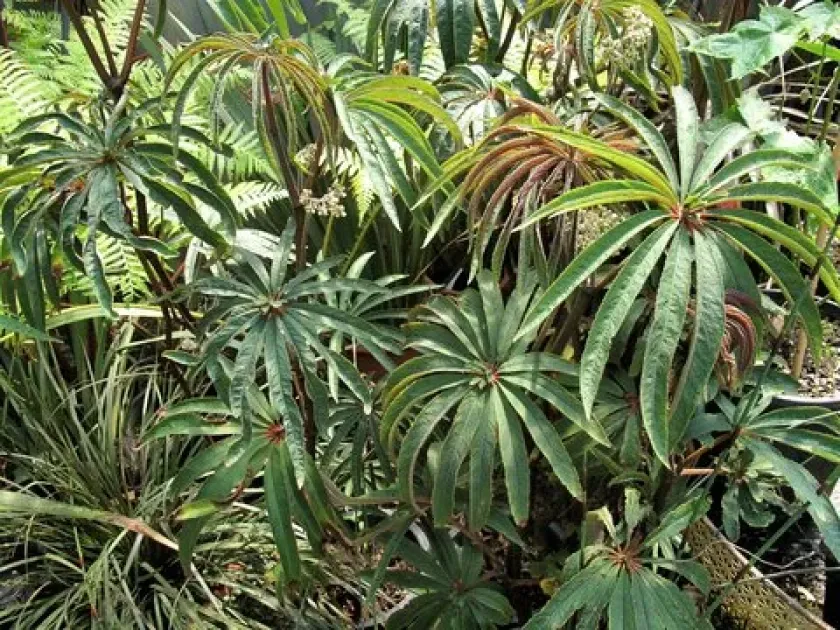
Description
Growing requirements
The Palm-leaf begonia (Begonia luxurians) is a distinctive species within the Begoniaceae family, renowned for its architectural, palm-like leaf structure. Unlike common bedding begonias, this plant is a tall, upright grower that adds significant height to interior landscapes.
Native to the humid rainforests of Brazil, this species thrives in environments characterized by high humidity and consistent temperatures. It serves as an excellent specimen for botanical conservatories and large, well-lit spaces.
Successful cultivation requires a well-draining, slightly acidic soil mix. A combination of peat moss, pine bark, and perlite provides the necessary aeration for its delicate root system while maintaining moisture levels.
The plant favors bright, indirect light. Direct sunlight can scorch the intricate leaves, while insufficient light leads to spindly growth and loss of the plant's characteristic dark green luster.
Climate control is crucial, as the species is intolerant of frost. Maintenance of a warm, humid environment throughout the year ensures steady growth and prevents the edges of the leaves from drying out or crisping.
Main diseases and pests
The primary health risks for Begonia luxurians include fungal pathogens, particularly powdery mildew, which can colonize the leaves if the air circulation is stagnant and humidity is too high.
Insect pests such as spider mites and mealybugs are frequent threats. These pests thrive in dry conditions and can quickly cause yellowing and premature leaf drop if not addressed promptly with insecticidal soap or oil.
Root rot is the most common management error, often resulting from overwatering or poorly drained containers. Proper soil moisture management is the primary defense against such physiological disorders.
To prevent disease outbreaks, it is vital to keep the foliage dry during evening hours and ensure that the plant is spaced correctly to allow for airflow between mature stems.
Regular monitoring of the foliage is essential to detect early signs of infestation. Integrated pest management, combining biological and mechanical control, is the most effective approach for this ornamental culture.