
Begonia intermedia
Begonia intermedia
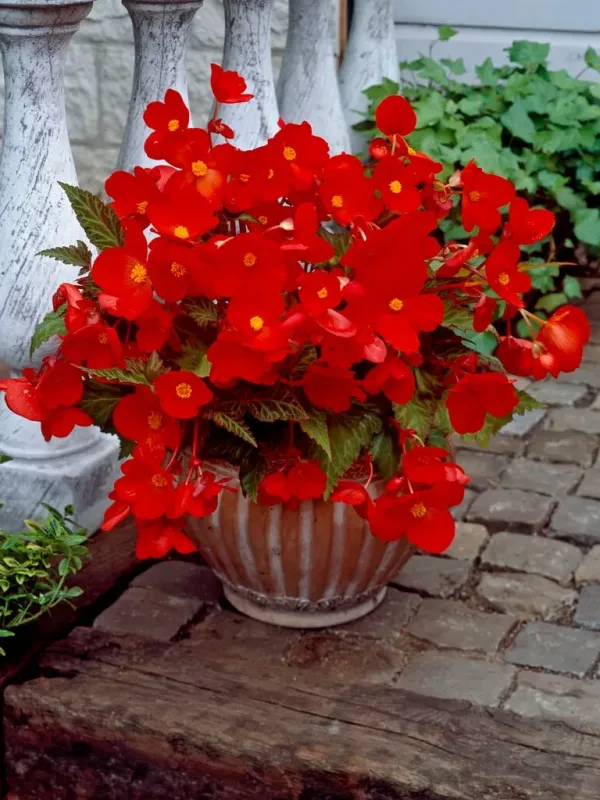
Description
Sowing dates
Propagation of Begonia intermedia is primarily achieved through stem cuttings, which allows growers to maintain the genetic consistency of the parent plant. Spring and early summer provide the ideal environmental conditions, characterized by longer daylight hours and active plant metabolism.
For seed propagation, specialized seedling trays with a fine, sterile peat-based substrate are required. Seeds must be surface-sown without covering, as they require light exposure to trigger the germination process successfully.
During the germination phase, maintaining a consistent temperature between 22 and 25 degrees Celsius is essential. A transparent cover or plastic film is used to create a humid microclimate, which prevents the tiny seeds from dehydrating before they develop a root system.
Once seedlings reach the stage of having two sets of true leaves, they are transplanted into individual containers. This transition requires careful handling of the delicate roots to prevent transplantation shock and ensure uniform development.
Acclimatization of the young plants to standard greenhouse humidity levels must be done gradually. Removing the covers in stages over a period of several days helps the plants adapt to lower moisture levels without suffering leaf loss or wilting.
Growing requirements
Begonia intermedia, a member of the Begoniaceae family, thrives best in environments that mimic its natural tropical origins. It requires bright, indirect light, as direct sun exposure often causes severe tissue necrosis and sunburn on the foliage.
The substrate must be highly porous and well-aerated to prevent oxygen starvation of the roots. A mixture consisting of peat, perlite, and a small amount of bark provides the necessary structure and acidity levels required for optimal nutrient uptake.
A stable temperature regime between 18 and 22 degrees Celsius is necessary for healthy growth. Exposure to cold drafts must be strictly avoided, as the plant is highly sensitive to rapid temperature fluctuations which often lead to premature dormancy.
High relative humidity, typically around 60 to 70 percent, is essential for maintaining vibrant foliage. In commercial settings, automated misting systems are preferred, although care must be taken to ensure leaves dry before nightfall to prevent fungal outbreaks.
Fertilization should be applied regularly during the active growing season using a balanced liquid fertilizer diluted to half-strength. Monitoring the pH of the irrigation water is also critical, as it directly influences the availability of micronutrients in the soil.
Main diseases and pests
Powdery mildew is a prevalent issue in dense plant populations with poor air circulation. It appears as a white, dusty layer on leaves and is best managed by increasing airflow and using specialized antifungal sprays specifically labeled for ornamental Begonias.
Root rot, caused by excessive moisture and poor drainage, remains the most significant threat to the survival of Begonia intermedia. Regular inspection of the root zone and the use of terracotta or breathable pots can help manage water levels more effectively.
Spider mites are common pests that thrive in dry environments. They cause yellowing and stippling on the foliage. Routine checking of the underside of leaves and the application of systemic acaricides are necessary for effective management of these pests.
Thrips can also infest the plants, targeting tender new growth and developing buds. Integrated pest management, which includes the use of sticky traps and targeted biological control agents, is recommended to reduce reliance on chemical insecticides.
Fungal leaf spots can develop if the foliage remains constantly wet or if humidity is too high without adequate ventilation. Pruning off heavily affected foliage and improving the growing environment usually allows the plant to recover successfully.