
Hardy begonia
Begonia grandis
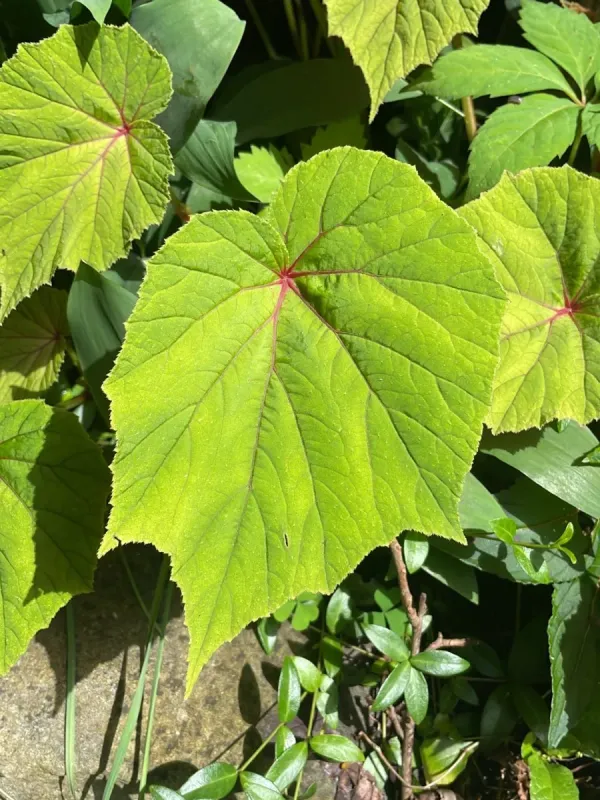
Description
Sowing dates
Seeds of Begonia grandis are best sown in late winter or early spring using a sterile seed-starting mix. The medium must be well-drained and kept consistently moist to ensure successful germination for these small seeds.
As the seeds are minute, they should be surface-sown without covering with soil. Covering the tray with clear plastic helps maintain the required humidity and a consistent temperature of around 20 to 22 degrees Celsius.
Germination typically takes about three weeks. During this period, keep the tray in bright, indirect light to prevent the seedlings from becoming leggy or weak, and ensure proper ventilation to avoid damping-off.
Once the seedlings develop two or three true leaves, they should be carefully pricked out into individual pots. This transition period is crucial for root development before moving the plants to a larger container or the garden.
Propagation can also be achieved through tubers, which are planted in the spring. Ensuring the tubers are placed in a warm, sheltered spot will encourage vigorous growth as soon as the weather stabilizes.
Growing requirements
This species thrives in partial to full shade. Providing shelter from direct sunlight is essential, as the foliage is susceptible to scorching, especially in hot afternoon conditions during mid-summer.
Begonia grandis prefers rich, moisture-retentive, and well-draining soil. Integrating organic matter like compost into the garden bed significantly enhances soil quality and promotes healthy growth for the plant.
Regular watering is necessary to keep the soil consistently damp but never waterlogged. Overwatering can lead to tuber rot, so it is vital to check the soil moisture level before adding more water.
The plant performs best in moderate temperatures, typically between 18 and 25 degrees Celsius. While it is considered a hardy begonia, it should be protected from harsh, freezing winter temperatures in colder climates.
Adding a layer of organic mulch around the base of the plant will help regulate soil temperature and moisture levels. This practice is particularly beneficial during dry spells to maintain a stable environment for the roots.
Main diseases and pests
Powdery mildew is a common issue for this begonia, particularly in humid or crowded conditions with poor air circulation. Improving airflow and using appropriate fungicides can effectively manage this problem.
Botrytis, or gray mold, can affect the leaves and stems in cool, wet environments. It is important to remove any decaying plant material immediately to prevent the spread of fungal spores to healthy tissue.
Pests such as aphids and spider mites can infest the foliage, particularly during warmer, drier periods. Regular inspections and the use of insecticidal soap are often sufficient to control these infestations.
Root rot is a major threat caused by poor drainage and excessive moisture. To prevent this, ensure that the soil is light and airy, and avoid planting the tubers in areas where water tends to pool.
Effective management involves consistent garden hygiene and regular monitoring. By keeping the surrounding area clear of debris and ensuring proper spacing between plants, the risk of disease outbreak is greatly minimized.