
Wild bergamot
Monarda fistulosa L.
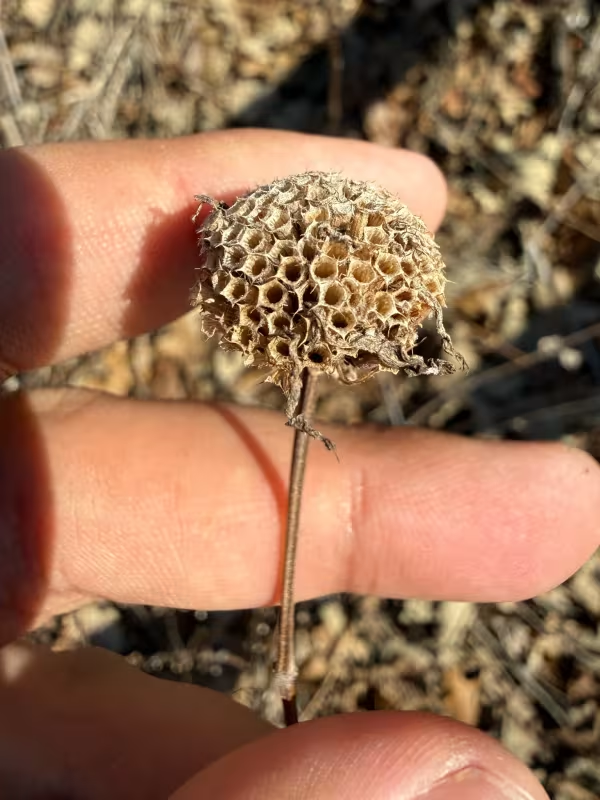
Description
Sowing dates
Monarda fistulosa, commonly known as wild bergamot, belongs to the Lamiaceae family. It is a perennial herbaceous plant valued for its high essential oil content and medicinal properties.
Propagation is primarily done via seeds or vegetative division. Seeds are very small and require a light, well-draining seedbed with plenty of sunlight for successful germination.
When sowing in the field, seeds should be sown in early spring. Avoid deep planting; surface broadcasting followed by light rolling is the preferred method for optimal seed-to-soil contact.
For nursery production, seeds are started in trays during late winter. Transplanting to the field occurs once the danger of frost has passed and soil temperatures stabilize.
Row spacing should be maintained at 40–60 cm to allow for canopy development and air circulation, which are essential for long-term health and disease prevention.
Growing requirements
The plant thrives in full sun but can tolerate partial shade in hotter climates. It prefers well-drained, fertile soil with a neutral pH level to optimize nutrient uptake.
Adequate moisture is critical during the vegetative growth phase. However, Monarda fistulosa does not tolerate waterlogging, which can lead to root rot and diminished plant vigor.
Balanced fertilization is necessary for commercial yields. Phosphorus and potassium applications during the pre-flowering stage significantly improve the quality of the volatile oils.
Wind protection is highly recommended for commercial plantings, as high stems can be susceptible to lodging. Dense planting or natural windbreaks can mitigate this risk effectively.
The crop is known for its hardiness in temperate regions. It can survive harsh winters, provided that the soil drainage is sufficient to prevent crown rot during the spring thaw.
Yield
Commercial yields of fresh biomass can reach up to 20 tons per hectare under ideal conditions. The biomass is typically processed for essential oil extraction or dried for herbal tea markets.
Oil content generally peaks at full bloom. Regular harvesting schedules help maintain high essential oil percentages, ensuring that the final product meets pharmaceutical quality standards.
Productivity increases significantly from the second year onwards. A well-managed plantation can be productive for five to six years before requiring rejuvenation or replanting.
As an excellent honey plant, wild bergamot provides secondary income opportunities for beekeepers. Integrating apiaries near Monarda fields can enhance both pollination and honey production.
Economic performance is driven by the demand for natural antioxidants and antimicrobial components found in the plant's essential oils, such as thymol and carvacrol.
Main diseases and pests
Powdery mildew is the most common threat, especially in humid and dense stands. Improving airflow and practicing proper thinning are the most effective non-chemical preventative measures.
Rust infections can occur during prolonged periods of wet weather. Monitoring leaf health and removing affected plant material promptly helps contain the spread of the fungus.
Spider mites and aphids may infest the crop during hot, dry summer months. Biological control methods or localized applications of organic pesticides are recommended for large-scale operations.
Root rot pathogens, such as Phytophthora, are linked to poor soil structure and excessive irrigation. Maintaining optimal soil porosity is key to managing these soil-borne threats.
Weed management during the first year is vital for stand establishment. Hand weeding or mechanical cultivation between rows helps the young plants compete for nutrients effectively.
Harvesting
The harvest should take place at the peak of the flowering stage when the concentration of essential oils is at its highest. This timing is critical for ensuring product quality.
Mechanical harvesting is generally done at a height of 10–15 cm from the ground. This promotes rapid regrowth and a possible second harvest depending on the growing season length.
Post-harvest handling requires immediate drying in a shaded, well-ventilated area. High temperatures or direct sunlight can degrade the volatile oil compounds, reducing the product's value.
Storage should occur in airtight containers after the material has reached a stable moisture content. This prevents the loss of aromatic compounds during long-term storage.
Quality control processes include moisture testing and laboratory analysis of the oil profile, ensuring that the harvested batch complies with industry specifications for purity.