
Ramsons
Allium ursinum L.
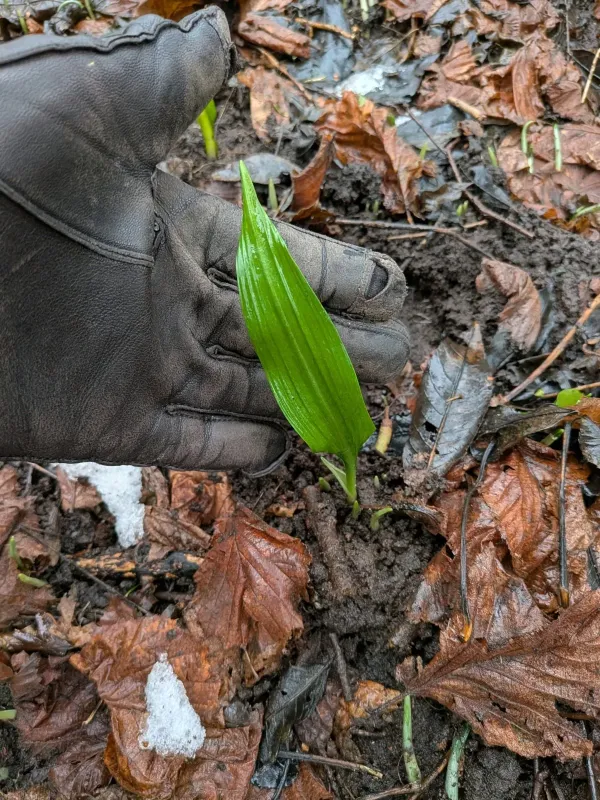
Description
Sowing dates
Ramsons, botanically known as Allium ursinum, is a perennial bulbous plant that thrives in shaded woodland environments.
The seeds require a cold stratification period to break dormancy, making autumn the ideal time for sowing directly into the soil.
If sowing in the spring, seeds must be kept in cold, moist conditions, such as a refrigerator, for several weeks before planting.
Seeds should be sown shallowly, about 1-2 centimeters deep, into moist, nutrient-rich soil that mimics the forest floor.
Germination can be slow and sporadic; patience is required, as the plants often take two or more years to become established.
Growing requirements
This species belongs to the Amaryllidaceae family and prefers damp, shady locations protected from direct harsh sunlight.
Soil quality is paramount; ramsons flourish in loose, humus-rich soil with a neutral to slightly acidic pH level.
Moisture control is critical throughout the growing season, though the soil must remain well-drained to prevent bulb rot.
It is a slow-growing plant that benefits from regular mulch applications, which help maintain soil moisture and provide nutrients.
The plant is highly hardy and adapted to temperate climates, making it a reliable perennial once the site conditions are met.
Yield
Yields are generally moderate, as the plant spreads through both seed dispersal and the gradual division of its bulbs.
In mature patches, ramsons can provide a sustainable harvest of nutritious, aromatic leaves every spring season.
The leaves are widely used in culinary applications for their distinctive garlic-like flavor, serving as a popular seasonal herb.
Proper management of the patch, including allowing the plants to seed, ensures the longevity and productivity of the colony.
Besides culinary use, the plant is valued for its potential health benefits, containing various sulfur compounds and vitamins.
Main diseases and pests
Ramsons are generally robust, but they can be susceptible to fungal diseases such as rust if air circulation is poor.
Pests like the onion fly can cause damage to the root system, potentially weakening the entire plant stand if left untreated.
Maintaining spacing between plants and ensuring good hygiene in the garden helps mitigate the spread of pathogens.
Slugs and snails can sometimes be an issue for young, tender foliage during the early weeks of spring growth.
Avoid heavy use of synthetic pesticides, as the crop is typically harvested during the early stages of spring for direct consumption.
Harvesting
The harvest period occurs in early spring, specifically before the plants begin their flowering stage.
Leaves should be harvested by cutting them cleanly just above the soil line, ensuring the bulbs remain undamaged in the earth.
It is vital not to over-harvest a single plant, as it needs its foliage to photosynthesize and store energy for the next year.
Post-harvest, the leaves are perishable and should be stored in cool, dark conditions to maintain their freshness and flavor.
Once the flowering period begins, the leaves tend to lose their flavor and texture, marking the end of the viable harvest season.