
Baccaurea ramiflora
Baccaurea ramiflora Lour.
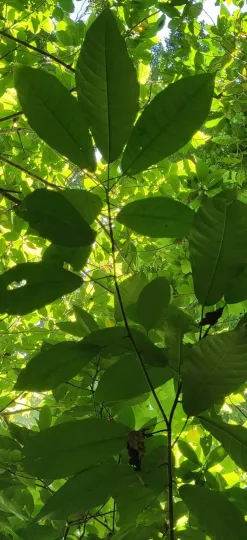
Description
Sowing dates
Baccaurea ramiflora is primarily propagated via seeds, which exhibit high viability when fresh. Sowing is best performed at the onset of the rainy season to ensure optimal moisture levels for seedling establishment.
Vegetative propagation techniques, such as grafting or budding, are utilized to maintain specific cultivar traits. These methods are preferred in commercial orchards to ensure uniform fruit quality and production cycles.
A well-draining, nutrient-rich soil mix is essential for nursery cultivation. Seeds are sown at a shallow depth of 1–2 centimeters, maintaining a warm and consistently humid environment.
Seedlings require protection from direct sunlight during their initial growth stages. They should be grown in shaded nurseries until they reach a robust size of 50–70 centimeters.
Transplanting to the permanent field location is timed with the start of the rainy season, allowing the root system to settle into the native soil before the onset of drier periods.
Growing requirements
Baccaurea ramiflora is a tropical evergreen tree belonging to the family Phyllanthaceae. It thrives in high-temperature, high-humidity environments typical of tropical forest ecosystems.
The tree prefers deep, fertile, and slightly acidic soils. Good drainage is vital, as the species is highly susceptible to root rot caused by waterlogged or compacted soil conditions.
While mature trees can tolerate more sunlight, providing partial shade during early development stages promotes better foliage health and prevents physiological stress.
Agricultural maintenance involves regular mulching and organic fertilization, which mimics the natural forest floor conditions necessary for healthy root growth and nutrient uptake.
Pruning is performed primarily for sanitary purposes, ensuring adequate light penetration and air circulation throughout the canopy to prevent fungal pathogens.
Yield
Yield capacity of Baccaurea ramiflora develops gradually, with trees starting to bear fruit approximately 5 to 7 years after initial planting from seeds.
A remarkable botanical feature is cauliflory, where fruits grow in clusters directly on the trunk and main branches. This makes harvesting efficient and visually distinctive.
Individual fruits are round with a thin skin and a sweet-and-sour pulp that is highly appreciated for its refreshing taste. A single mature tree can yield significant quantities annually.
Peak production is reached when the tree matures between 15 and 20 years of age. During this period, orchard management focuses on optimizing fruit size and health.
The fruit is used in fresh consumption, as well as in the production of juices, jams, and traditional fermented beverages, adding economic value to the crop.
Main diseases and pests
Fungal infections pose the primary threat to Baccaurea ramiflora, especially in regions with high precipitation and poor orchard airflow management.
Common pests include scale insects and aphids, which often target tender young leaves. Regular scouting and immediate intervention with biological controls are recommended.
Fruit-boring insects can significantly damage yields during the ripening stage, necessitating proactive sanitation and debris removal to reduce pest pressure.
Nutrient deficiencies, such as magnesium or iron chlorosis, can weaken tree vigor. Soil and leaf analysis should guide the application of supplemental micronutrients.
Integrated pest management, including proper tree spacing and canopy management, remains the most effective strategy for ensuring orchard productivity and longevity.
Harvesting
Harvesting Baccaurea ramiflora requires careful manual collection, as the thin skin of the fruit makes it prone to mechanical damage and bruising.
The timing of the harvest is determined by the fruit color, which transitions as the fruit reaches maturity. Experienced harvesters select fruits based on these specific skin color cues.
Because the fruits do not ripen simultaneously, the harvest is typically spread over several weeks, requiring multiple passes through the orchard to gather all mature produce.
Post-harvest handling involves placing the fruit in ventilated crates to maintain quality. Care must be taken to avoid overstacking to prevent crushing the delicate fruit.
The shelf life of the fresh fruit is relatively short, so prompt distribution to local markets or processing facilities is critical to minimize post-harvest losses.