
Aubrieta columnae
Aubrieta columnae
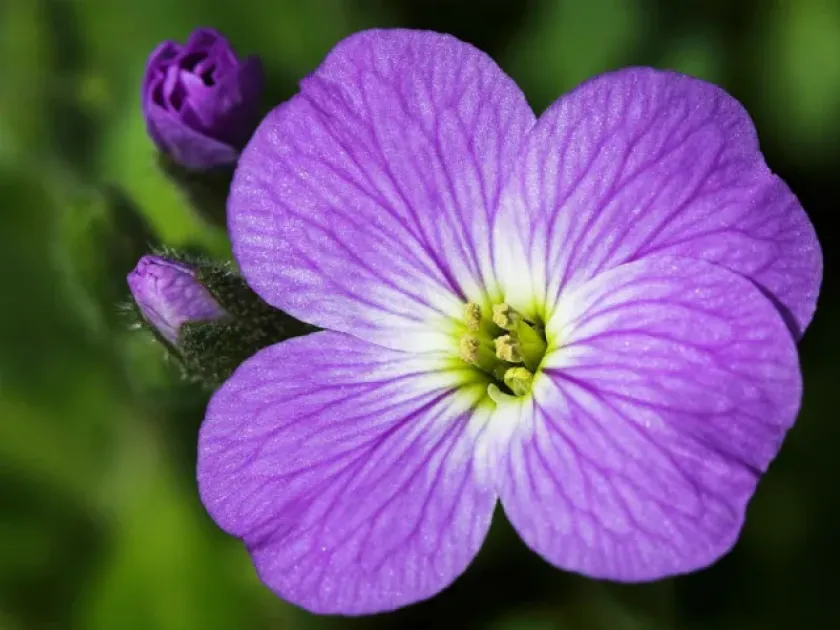
Description
Sowing dates
Aubrieta columnae, a member of the Brassicaceae family, is typically propagated via seeds. Sowing indoors should begin in early spring to establish strong seedlings before transplanting.
For outdoor sowing, the optimal period is late spring when soil temperatures have warmed sufficiently to ensure consistent germination and growth.
The seeds are small and light-dependent; therefore, they should be surface-sown onto a fine, moist potting mix and only lightly pressed down without covering with thick soil.
Cold stratification for several weeks before sowing can significantly improve germination rates by breaking dormancy and mimicking natural seasonal cycles.
Transplanting should be handled with extreme care, as the root system is delicate and prone to stress if disturbed significantly during the shifting process.
Growing requirements
As a plant originating from mountainous regions, Aubrieta columnae demands a position in full sun to thrive and produce its signature dense, colorful mat of flowers.
Well-drained, neutral to slightly alkaline soil is essential. It performs poorly in heavy, waterlogged clays, which often lead to fungal issues and root death.
The plant demonstrates good drought tolerance once established, making it ideal for rock gardens, stone walls, and other environments where water may be scarce.
Regular but light watering is beneficial during the initial growing stages or during prolonged dry spells to maintain plant vigor and encourage secondary blooms.
Protection from excessive winter moisture is often more important than protection from cold temperatures, as the crown is sensitive to standing water during dormancy.
Main diseases and pests
Powdery mildew is the most frequent challenge for this crop, especially in areas with high humidity, poor air circulation, or overcrowding within the garden bed.
Root rot, driven by excessive soil moisture and poor drainage, remains the most significant threat that can lead to rapid decline in the plant's health.
Aphids and spider mites may occasionally infest the foliage, particularly during hot, dry summer months, requiring targeted treatment with organic or chemical controls.
Maintenance practices, such as proper spacing and removal of debris, significantly reduce the incidence of disease and keep the plants healthy throughout the year.
Integrated pest management, including monitoring and early intervention, ensures that these decorative mats remain vibrant and free from significant structural damage.
Harvesting
Aubrieta columnae is primarily used for aesthetic landscaping, serving as an excellent ground cover or an accent plant in rockeries and alpine-style garden designs.
Post-flowering maintenance involves a significant trim, cutting back stems to encourage dense, compact growth and a potential second flush of flowers later in the season.
Seed harvesting should occur once the seed pods turn dry and brown, ensuring they are collected before they naturally dehisce and disperse into the surrounding soil.
Proper cleaning and drying of harvested seeds are crucial to prevent mold growth and maintain high viability for planting in the subsequent calendar year.
By effectively managing the growth cycle through strategic pruning, gardeners can maintain the longevity and decorative appeal of these perennials for many seasons.