
Aubrieta canescens
Aubrieta canescens
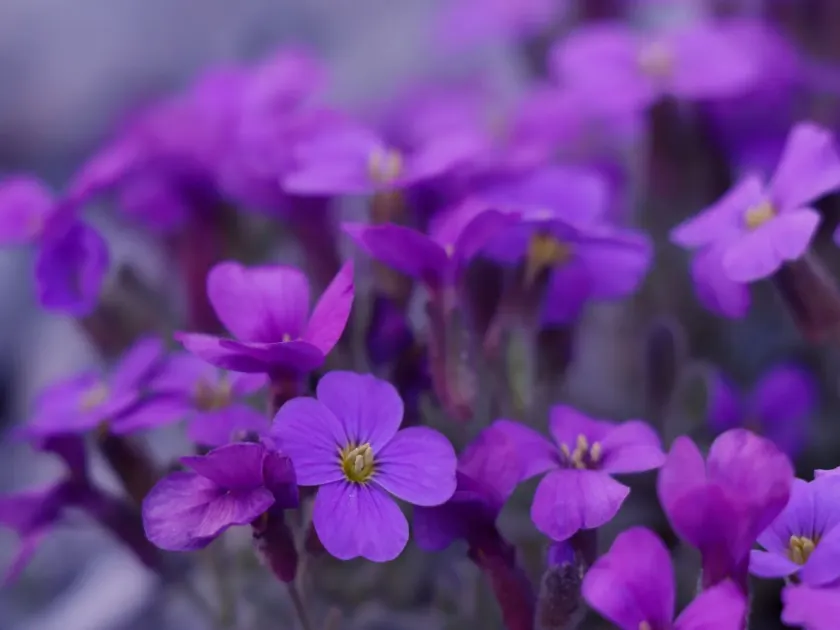
Description
Sowing dates
Sowing seeds of Aubrieta canescens is typically performed in early spring or late autumn, providing the seeds with the necessary conditions for optimal germination.
When starting indoors, seeds are sown into light, well-draining potting mix in late winter, ensuring they receive sufficient ambient light for development.
The seeds should be pressed lightly into the surface of the growing medium, as they require exposure to light for successful germination and emergence.
Once the seedlings have developed two sets of true leaves, they should be pricked out into individual pots to avoid overcrowding and root competition.
Hardening off the plants before transferring them to their permanent outdoor location is a critical step to ensure they adapt well to environmental shifts.
Growing requirements
Aubrieta canescens belongs to the Brassicaceae family and is highly valued for its ability to thrive in poor, rocky, and well-drained soils typical of alpine environments.
The plant demands full sun exposure to maintain its compact growth form and to ensure abundant flowering throughout the peak growing season.
Soil pH should ideally be neutral to slightly alkaline; adding gravel or coarse sand is recommended to guarantee excellent drainage and prevent root rot.
While the species is drought-tolerant, supplemental watering during prolonged dry spells will help sustain its health and promote secondary blooming.
Maintaining proper spacing between plants is essential to prevent moisture buildup and to ensure that the foliage dries quickly after rainfall or irrigation.
Main diseases and pests
Root rot is the most common pathology affecting Aubrieta canescens, primarily triggered by poorly drained soil or excessive moisture accumulation during the winter months.
Powdery mildew may occur if air circulation is compromised, making it vital to avoid planting the species in stagnant, humid corners of the garden landscape.
Crucifer flea beetles are the most frequent insect pests, often causing significant damage to the foliage of young plants during the spring season.
Integrated pest management, including regular inspection and the use of appropriate insecticides, can help maintain the plant's health and aesthetic appeal.
Overall, proper site selection and ensuring high levels of soil permeability serve as the most effective defenses against common fungal and bacterial infections.