
Aspidogyne querceticola
Aspidogyne querceticola
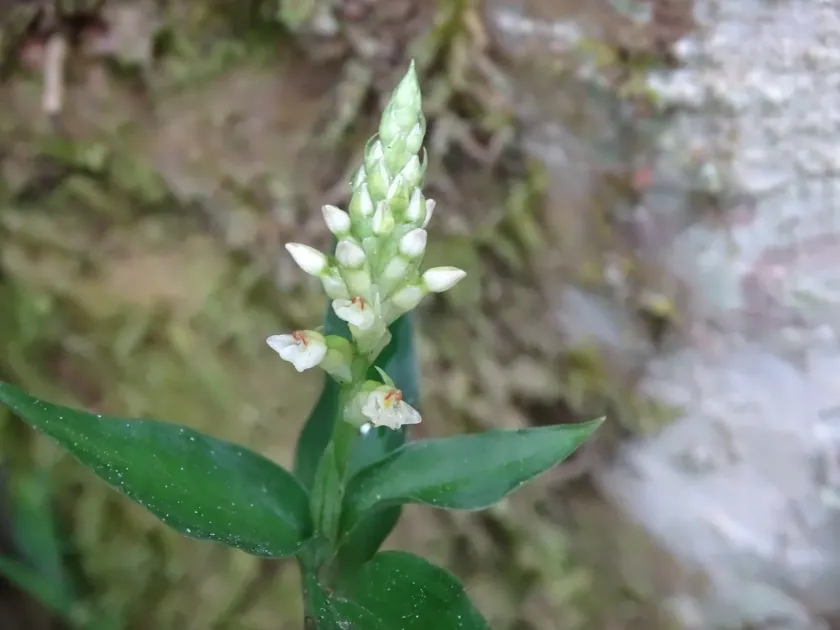
Description
Growing requirements
Aspidogyne querceticola is a terrestrial orchid belonging to the Orchidaceae family. Native to forest regions, it thrives in environments that provide high humidity and consistent moisture, typically found in shaded forest floors with rich organic soil.
Climatic requirements for this species include steady ambient temperatures and protection from direct sunlight. In a greenhouse or indoor setting, it performs best when exposed to filtered light, mimicking the natural canopy conditions of its native habitat.
The potting medium must be porous and well-draining to ensure root health. A mixture containing finely chopped bark, perlite, and high-quality peat or sphagnum moss is recommended to maintain the slightly acidic pH level favored by these plants.
Cultural management involves precise watering practices. It is essential to keep the substrate consistently damp but never waterlogged. Regular misting can help maintain the required humidity levels, which is crucial for the healthy development of its foliage.
The primary use of this orchid is decorative, as it is prized by botanical collectors for its intricate leaf patterns. It is an excellent candidate for terrariums and specialized greenhouses where a stable, controlled climate can be maintained year-round.
Main diseases and pests
The main threats to this plant are fungal infections, which often arise from poor air circulation or overwatering. Root rot is a common issue that can be fatal if not addressed by immediate repotting into fresh, dry substrate.
Pest management should focus on monitoring for common indoor threats such as spider mites and mealybugs. Maintaining high ambient humidity and keeping the plant clean helps to prevent infestations, ensuring the health and longevity of the specimen.