
Aspidogyne argentea
Aspidogyne argentea
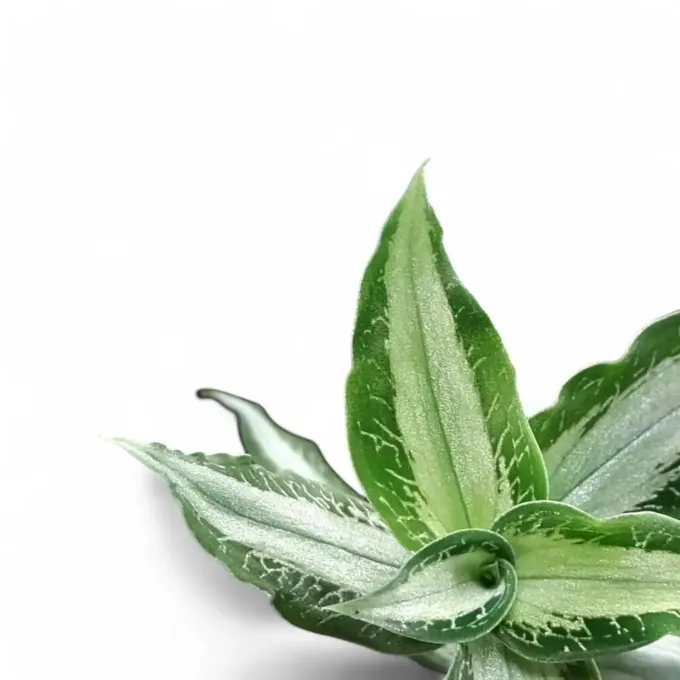
Description
Growing requirements
Aspidogyne argentea belongs to the Orchidaceae family and is widely recognized among collectors as a "jewel orchid." It is highly prized for its unique, shimmering foliage rather than its flowers, making it a staple for terrarium enthusiasts.
The plant originates from the tropical rainforests of South America. It thrives in shaded, humid environments, typically found on the forest floor, where the canopy provides consistent protection from intense direct sunlight.
Success in cultivation requires a well-draining, moisture-retentive substrate rich in organic matter. A mixture of long-fibered sphagnum moss, perlite, and fine fir bark provides the ideal root environment for this terrestrial species.
Optimal growth conditions involve maintaining a stable temperature between 20°C and 25°C. Exposure to extreme cold or scorching heat can cause significant physiological stress, leading to tissue damage and plant decline.
Maintenance includes maintaining high ambient humidity and moderate soil moisture. Watering should be done with soft, room-temperature water to ensure the delicate root system remains hydrated without becoming waterlogged.
Main diseases and pests
The most common pests affecting this orchid species include spider mites and mealybugs. These organisms thrive in environments with poor air circulation and low humidity levels.
Root rot remains the primary threat caused by improper watering practices and poor substrate drainage. Overwatering creates anaerobic conditions that facilitate the growth of pathogenic fungi.
Fungal infections can quickly compromise the plant's health, manifesting as dark lesions on the stems or soft, decaying spots on the leaves that spread rapidly in high humidity.
Integrated pest management involves regular leaf inspection and maintaining clean growing conditions to minimize the risk of infestation by common greenhouse insects.
If symptoms of disease appear, immediate isolation of the affected plant is required to prevent the spread of pathogens to other specimens in the collection.