
Arundinella setosa
Arundinella setosa
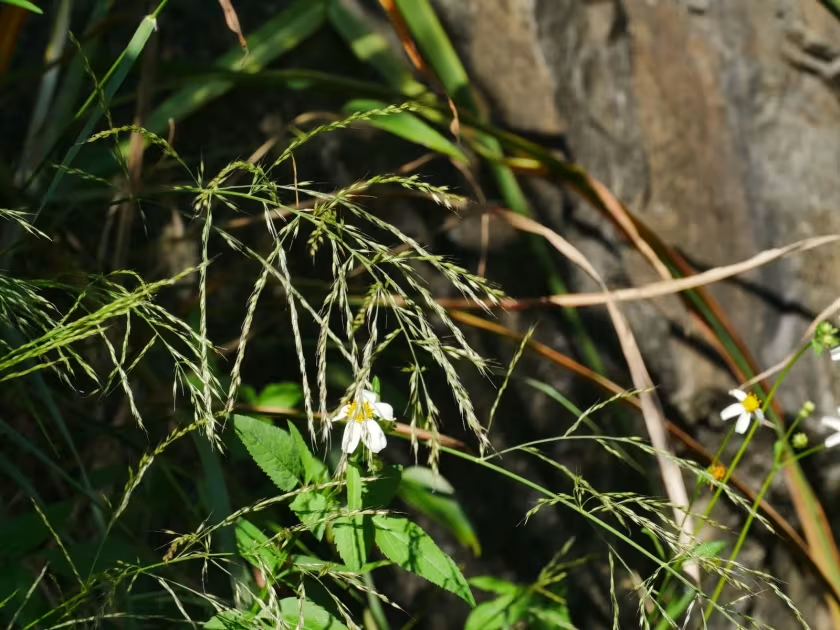
Description
Growing requirements
Arundinella setosa is a perennial grass species belonging to the Poaceae family. It is native to tropical and subtropical regions across Asia, demonstrating remarkable resilience in diverse habitats ranging from open grasslands to mountainous slopes.
The crop thrives in well-drained, sandy, or gravelly soils. It is highly valued for its ability to grow in nutrient-poor environments, making it an excellent candidate for land reclamation and soil stabilization projects in rural areas.
Climate-wise, it prefers warm temperatures and is sensitive to frost. While it exhibits good drought tolerance once established, consistent soil moisture significantly boosts biomass production, which is crucial for forage purposes.
Botanically, it features culms that grow in tufts with narrow, stiff leaves often characterized by bristly hairs. The extensive root system helps prevent soil erosion, providing a structural benefit beyond its nutritional value.
In terms of agricultural utilization, it is primarily harvested as forage for livestock. Additionally, its fibrous nature makes it suitable for use in local industries for thatch-making, mulching, and erosion control measures.
Main diseases and pests
Rust diseases are the primary pathological threat to Arundinella setosa during periods of high humidity and poor airflow. Proper field spacing is essential to mitigate these risks and maintain crop health.
Insect pests such as stem borers and aphids can impact plant vigor. Integrated pest management strategies, focusing on biological controls and maintaining soil health, are the most effective way to protect the crop.