
Arundinella berteroniana
Arundinella berteroniana
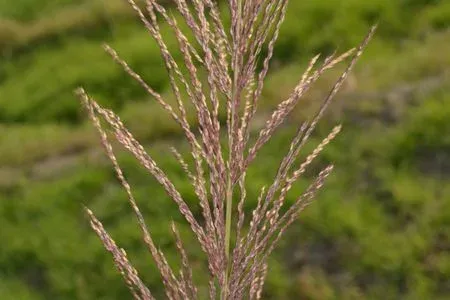
Description
Growing requirements
Arundinella berteroniana is a perennial grass species belonging to the family Poaceae. Native to tropical and subtropical regions of the Americas, this plant is typically found in humid habitats, particularly along riverbanks and in areas with consistent moisture availability.
The plant exhibits vigorous growth habits, forming dense clusters of stalks that can reach significant heights. Its root system is well-adapted for stability in damp, silty soils, which makes it an excellent candidate for erosion control in riparian zones.
Growth requirements include a warm, frost-free climate with plenty of sunlight. While it thrives in moist soils, the plant benefits from good drainage, as prolonged stagnant water can impede root health despite its preference for wetlands.
From an agricultural standpoint, it acts as a robust cover plant and a potential source of biomass. It has evolved to survive in competitive environments where water levels fluctuate, making it a highly adaptable species within its natural range.
Agronomists highlight its resilience against varying soil textures, provided that the essential moisture and temperature thresholds are maintained throughout the growing season.
Main diseases and pests
Common threats to Arundinella berteroniana include various foliar fungal infections that thrive in the humid, tropical environments where the plant is typically grown.
Pests such as sucking insects and aphids pose a risk to the plant's nutrient uptake, potentially weakening the stalks and reducing overall biomass production.
Soil-borne pathogens can affect root development, especially in areas where organic matter decomposition is rapid and soil aeration is poor.
Competition from invasive fast-growing weeds requires integrated pest management to ensure that Arundinella stands remain dense and productive.
Monitoring for signs of chlorosis or abnormal growth patterns is essential for early detection of potential disease outbreaks within a field or pasture.