
Arundinella nepalensis
Arundinella nepalensis
Description
Growing requirements
Arundinella nepalensis is a perennial grass species belonging to the Poaceae family. This plant is recognized for its robust growth habit, forming dense clumps that are well-adapted to varied environmental conditions, primarily found in hillsides and open mountainous terrains.
Regarding soil requirements, the species is highly adaptable, thriving in well-drained soils ranging from rocky substrates to loam. This adaptability makes it a valuable candidate for land restoration projects and soil conservation efforts, as it effectively stabilizes loose soil.
The climate requirements for this grass include ample sunlight and moderate moisture levels. It demonstrates significant resilience to environmental stress, including periods of drought, which is facilitated by its extensive and deep-reaching root system that accesses water reserves in deeper soil layers.
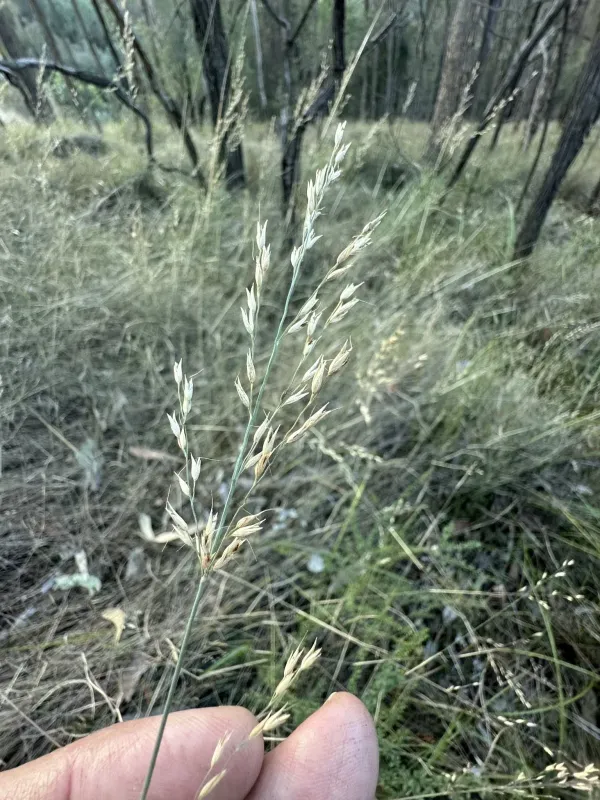
Botanically, it is characterized by erect stems reaching heights of 1 to 1.5 meters and linear leaves. The inflorescence is a panicle, which emerges during the growing season, providing both a biological means of propagation and a distinct appearance that sets it apart from other forage grasses.
In terms of agricultural use, Arundinella nepalensis serves as a source of forage for livestock in areas where traditional grass species might struggle. Its ability to maintain biomass on marginal lands makes it a practical choice for extensive grazing systems and as a component of sustainable agricultural pasture management.