
Arundinella bengalensis
Arundinella bengalensis
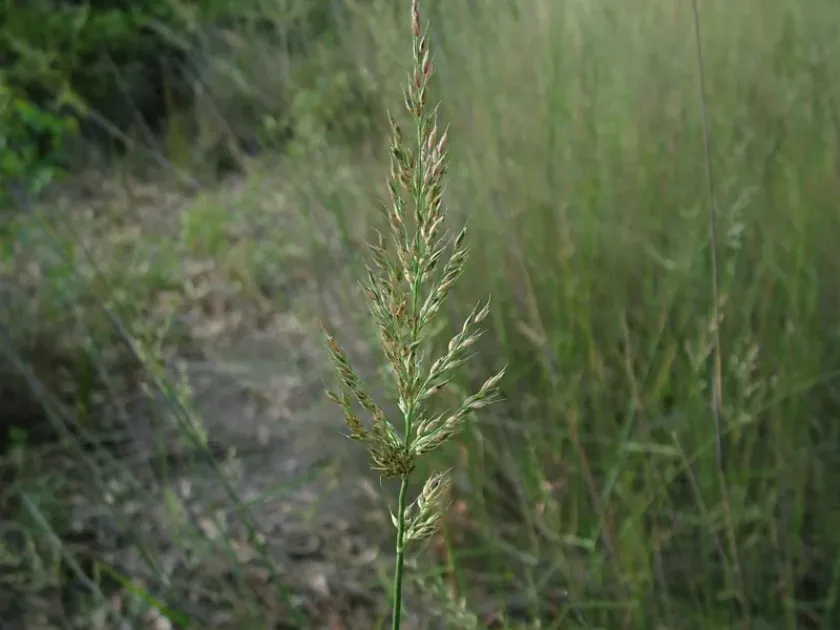
Description
Growing requirements
Arundinella bengalensis is a perennial grass species belonging to the Poaceae family. It is a robust, rhizomatous plant known for its adaptability to tropical and subtropical environments where it acts as a significant component of local ecosystems.
Native to regions spanning across South Asia, including India and Nepal, the plant naturally thrives in diverse habitats. It is commonly found in riverbanks, forest margins, and open areas, demonstrating a high level of ecological plasticity and competitive growth habit.
Botanically, it is characterized by its stiff, erect culms and narrow, linear leaves. The inflorescence is a distinct panicle that is typical for the genus, producing numerous small spikelets that facilitate efficient seed dispersal during favorable wind conditions.
Regarding climate, the plant requires consistent warmth and significant moisture. It is particularly well-adapted to monsoon-dominated climates where it maximizes growth during the wet season, showing resilience to periods of high atmospheric humidity and seasonal flooding.
Soil requirements are relatively modest as the plant can establish itself in a variety of substrates, including sandy loams and alluvial soils. It shows a preference for soils with decent permeability, though it can withstand transient waterlogging during heavy rainfall.
Main diseases and pests
The primary threats to Arundinella bengalensis involve various fungal pathogens. Rusts and leaf blights are common in high-density patches, where limited airflow creates an environment conducive to spore germination and rapid fungal growth.
Insect pests include various grass-feeding larvae and sucking insects such as aphids. These pests can weaken the plant by feeding on the sap or foliage, significantly reducing the biomass and overall vitality of the stand if left unmanaged.
The economic value of this culture lies primarily in its potential for soil stabilization and environmental management. Its extensive root system makes it an excellent candidate for erosion control, while its forage potential is utilized in extensive livestock grazing systems in native ranges.