
Arisaema fimbriatum
Arisaema fimbriatum
Description
Growing requirements
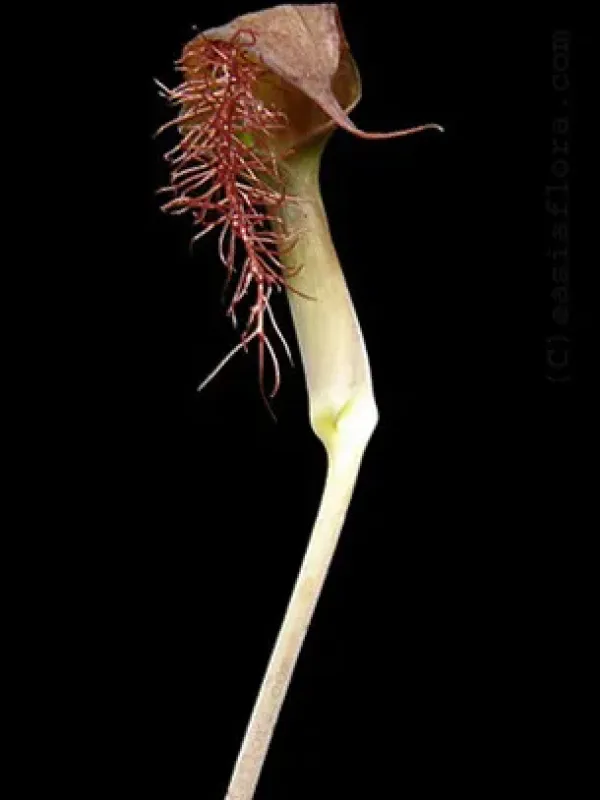
Arisaema fimbriatum is a fascinating perennial herb belonging to the Araceae family. Known for its distinct inflorescence featuring a fringed spathe, it is a highly sought-after species for collectors and enthusiasts of exotic woodland flora.
Originating from the humid forests of Southeast Asia, this plant thrives in temperate, shaded environments. It naturally grows in humus-rich forest floors where canopy cover provides filtered light, protecting it from direct sun exposure.
For successful cultivation, the soil must be light, porous, and consistently moist but well-draining. A potting mix incorporating leaf mold, peat moss, and coarse sand is ideal for maintaining the necessary root aeration and moisture retention.
Climate requirements include protection from frost and extremes of temperature. While some species are hardy, Arisaema fimbriatum generally requires winter dormancy in a cool, frost-free location if the outdoor climate is too harsh for its delicate tubers.
Cultural care involves regular irrigation throughout the growing season to keep the medium slightly damp. Providing a layer of organic mulch around the plant base helps in temperature regulation and maintains soil moisture consistency.
Main diseases and pests
Fungal infections are the primary concern for this species, especially when stagnant water is present in the soil. Root rot can quickly destroy the dormant tuber, making proper drainage the most critical factor in preventive care.
Slugs and snails are major pests that target the emerging foliage during the spring. Implementing physical barriers, such as crushed eggshells or copper tapes, can effectively protect the young shoots from being consumed.
Aphids may occasionally attack the soft tissues of the leaves. While usually manageable, large infestations can drain the plant's energy and reduce its vigor, requiring immediate intervention with insecticidal soaps.
Nematodes can cause severe stress to the root system, leading to stunted growth and yellowing of the leaves. Maintaining soil health and using sterile planting media helps significantly in keeping these pests at bay.
Environmental stress, such as sudden shifts in humidity or light intensity, can also impact the plant's health. Consistent, stable conditions are essential to minimize the risk of secondary infections and ensure vigorous annual development.