
Argyreia wallichii
Argyreia wallichii
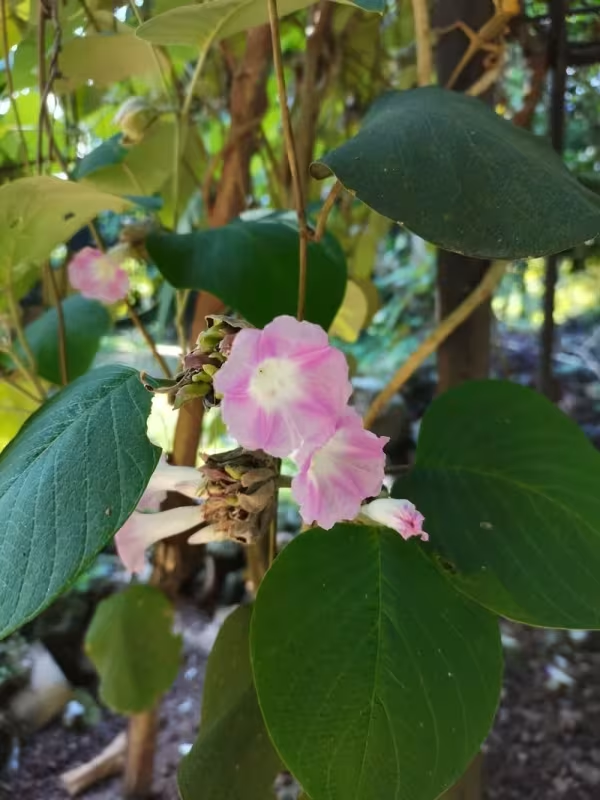
Description
Growing requirements
Argyreia wallichii is a perennial woody vine belonging to the Convolvulaceae family. It is recognized for its climbing habit, utilizing tendrils or stems to scale structures in its native tropical habitat.
The plant originates from the tropical regions of Southeast Asia. To thrive, it requires consistent tropical warmth and a high-humidity environment, which mimics its natural forest understory surroundings.
Optimal growth conditions involve well-drained, nutrient-rich soil that maintains moisture without becoming waterlogged. High organic content in the substrate is essential for sustaining the rapid vegetative growth typical of this species.
The plant prefers bright, filtered light. Exposure to intense, direct sunlight is generally discouraged as it can scorch the foliage and cause excessive transpiration, potentially stressing the vine.
Cultivation practices involve providing robust support structures for the vines to climb. Regular pruning is necessary to manage the plant size, promote lateral branching, and ensure proper air circulation throughout the foliage.
Main diseases and pests
Common pests that affect Argyreia wallichii include spider mites and scale insects, which often thrive in environments with low air circulation or inadequate humidity levels.
Fungal issues, particularly root rot, are frequently encountered when the soil remains too wet for extended periods, suffocating the roots and allowing pathogen colonization.
Powdery mildew is another risk, appearing as a white film on the leaves during periods of high humidity and poor airflow, which can severely impact photosynthesis.
Integrated pest management strategies, including regular inspections of the underside of leaves and sanitation, are recommended to maintain plant health.
Chemical treatments should be applied sparingly and only when necessary, preferably using systemic insecticides or fungicides specifically labeled for ornamental tropical climbers.