
Argyreia collinsiae
Argyreia collinsiae
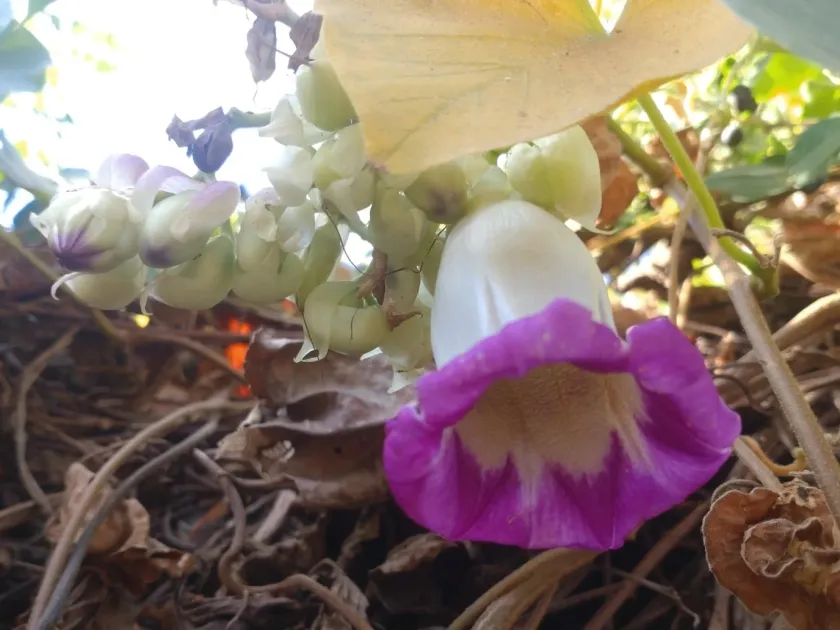
Description
Sowing dates
The propagation of Argyreia collinsiae is primarily achieved through seeds, which require careful preparation to overcome their natural dormancy period.
Seed scarification is a mandatory agricultural step, as the hard seed coat needs to be mechanically breached to allow moisture absorption.
Sowing should take place in a well-draining seed-starting mix, keeping the temperature consistently above 22°C to ensure successful germination.
Seedlings are highly sensitive to transplant shock; therefore, it is recommended to plant them in biodegradable pots that can be moved directly into the soil.
During the early growth stages, maintaining high humidity and ambient warmth is crucial for the development of the primary vine structure.
Growing requirements
This species is a member of the Convolvulaceae family and requires significant vertical space, as it is a vigorous climber by nature.
For optimal growth, Argyreia collinsiae needs a site with bright, filtered sunlight; direct exposure to intense noon sun can sometimes scorch the leaves.
The soil structure must be loose and rich in organic matter, providing a pH level that leans toward slightly acidic or neutral conditions.
Regular irrigation is essential, ensuring the root zone stays moist but not waterlogged, as poor drainage is a common cause of plant decline.
Given its tropical origin, the plant performs best in environments where temperatures remain warm year-round, ideally between 22°C and 30°C.
Main diseases and pests
Spider mites represent a major threat to the foliage, particularly in indoor environments where air circulation and humidity are not managed properly.
Fungal pathogens such as powdery mildew can infect leaves during humid, stagnant conditions, leading to unsightly patches and weakened photosynthetic ability.
Root rot is the most common physiological disorder caused by overwatering or using a heavy, non-porous potting substrate that retains too much moisture.
Aphids tend to cluster on tender new shoots, extracting sap and potentially acting as vectors for various secondary plant viruses or infections.
Successful management of these threats involves frequent observation, balanced nutrient supply, and the use of integrated pest management strategies.