
Argyreia cuneata
Argyreia cuneata
Description
Growing requirements
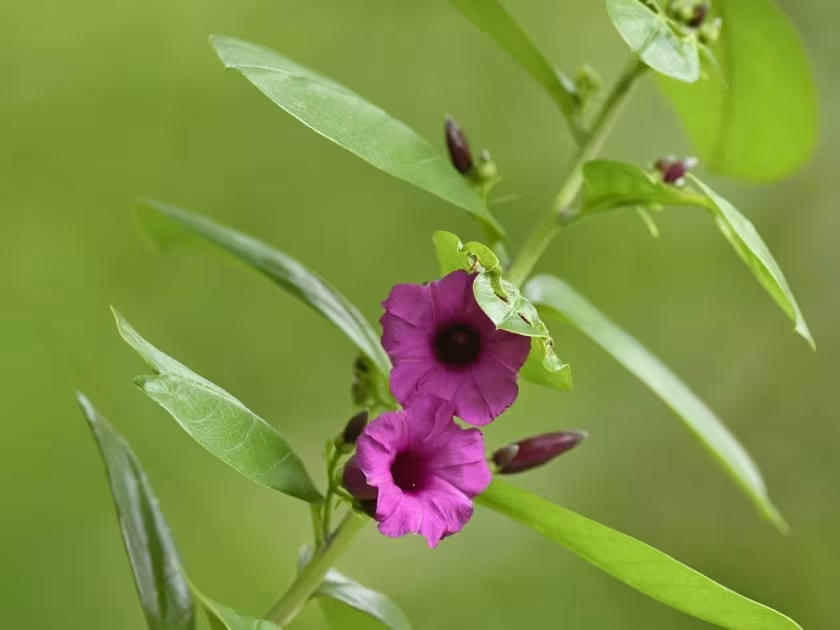
Argyreia cuneata is a distinctive species within the Convolvulaceae family, valued primarily for its shrub-like growth habit and funnel-shaped flowers. It is a perennial evergreen plant that can grow significantly in tropical conditions.
Native to the dry deciduous regions of India, the plant has evolved to thrive in environments with distinct rainy and dry seasons. It typically inhabits scrub forests and rocky open areas where competition for light is high.
Agricultural success with this plant requires sandy or loamy soils that provide excellent drainage. Waterlogged soil is detrimental to the plant's root system, often leading to rapid decline or fungal infections.
Light requirements are high, as the species is adapted to full sun or light partial shade. Exposure to significant sunlight is necessary for the plant to maintain its vegetative density and produce blooms throughout the season.
Climate tolerance is restricted to tropical and subtropical zones. The plant lacks frost resistance, and maintaining ambient temperatures above 15°C is crucial for its sustained growth and health during the off-season.
Main diseases and pests
Pest pressure on Argyreia cuneata primarily comes from sucking insects, specifically spider mites and mealybugs, which thrive in indoor or greenhouse settings.
Fungal pathogens associated with overwatering constitute a major threat to the root collar. Ensuring sufficient airflow is vital to mitigate humidity-related issues.
Standard agronomic practices for prevention involve the strategic use of fungicides and localized treatment of infested foliage.
Consistent monitoring for leaf discoloration or wilting helps in early detection of nutritional deficiencies or pest infestations before they become systemic.
Pruning of damaged or diseased stems is recommended to promote overall vigor and decrease the spread of pathogens within the canopy.