
Aporosa
Aporosa
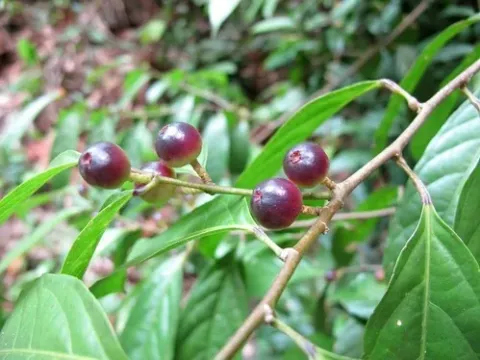
Aporosa is a genus of evergreen trees and shrubs belonging to the Phyllanthaceae family. These plants are native to tropical regions of Asia and the Pacific, thriving in environments characterized by high humidity and consistent tropical temperatures throughout the year.
What the section contains


Aporosa
The cultivation of Aporosa requires soils rich in organic matter that provide excellent drainage. While they prefer consistent moisture, they cannot tolerate prolonged waterlogging, which necessitates careful site selection for successful establishment of forest stands.
Botanically, Aporosa species are typically dioecious, meaning male and female flowers are produced on separate individuals. The leaves are generally alternate, simple, and leathery, providing a natural adaptation to high-transpiration environments found in the tropical canopy.
Economic utility varies by species; many are valued for their durable, high-quality timber used in local construction. Additionally, the fruit produced by several Aporosa species is utilized as a food source, often consumed locally due to its nutritional content.
Agronomic management focuses on maintaining tropical microclimates. In plantations, canopy management is essential to balance the shade requirements of young seedlings with the light needs of mature trees to ensure optimal biomass production.
The primary threats to Aporosa populations involve fungal infections, particularly those that thrive in high-humidity conditions. These pathogens can cause significant leaf spot diseases and bark decay if proper aeration and sanitation practices are not maintained.
Insect pests, including various scale insects and mealybugs, represent a major concern. These organisms damage the plant by sucking sap from tender stems and leaves, which can stunt tree growth and reduce overall crop vitality in plantation settings.