
Aporosa cardiosperma
Aporosa cardiosperma
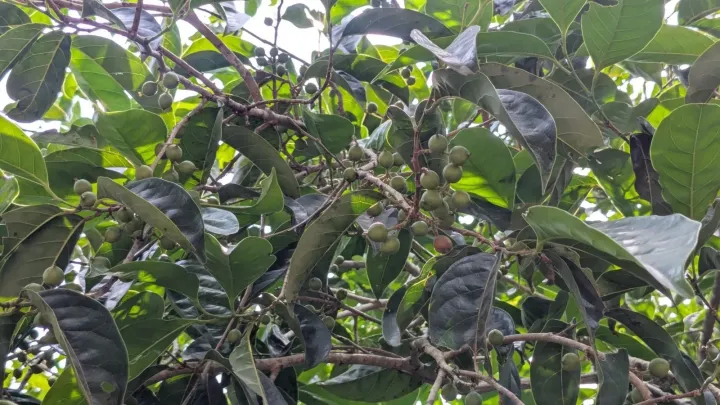
Description
Growing requirements
Aporosa cardiosperma is a species of evergreen tree belonging to the family Phyllanthaceae. It is native to the tropical regions of India and Sri Lanka, where it thrives in the unique climate of humid forests and mountain slopes.
The plant demonstrates a high adaptation to tropical environments, requiring consistent temperature regimes and abundant rainfall throughout the year to support its vegetative cycle and development.
Regarding soil requirements, this species favors well-drained, nutrient-rich substrates. It is particularly sensitive to waterlogging, necessitating land that allows for deep root penetration without the risk of stagnant moisture.
Botanically, it is characterized by its distinct heart-shaped leaves and its role as a stable, woody member of the tropical understory. The tree exhibits a slow to moderate growth rate, common among forest canopy species.
In terms of agricultural and traditional usage, the plant is known for its medicinal potential in local practices. Its wood is also utilized in small-scale construction, reflecting its status as a multipurpose resource in its home range.
Main diseases and pests
The primary threats to this species include fungal infestations that target the leaves and stems, particularly in environments with stagnant air and high humidity levels.
Pests such as various tropical beetle larvae and defoliating insects present a recurring challenge for young saplings, often requiring manual monitoring.
Root rot pathogens may emerge if the soil structure becomes too compact, which hinders drainage and creates ideal conditions for anaerobic bacteria.
Integrated pest management strategies are suggested to protect young populations, emphasizing the maintenance of biodiversity to naturally control pest outbreaks.
Proper spacing during plantation is essential to ensure adequate airflow and light penetration, which serve as the first line of defense against many biological threats.