
Shining chervil
Anthriscus nitida
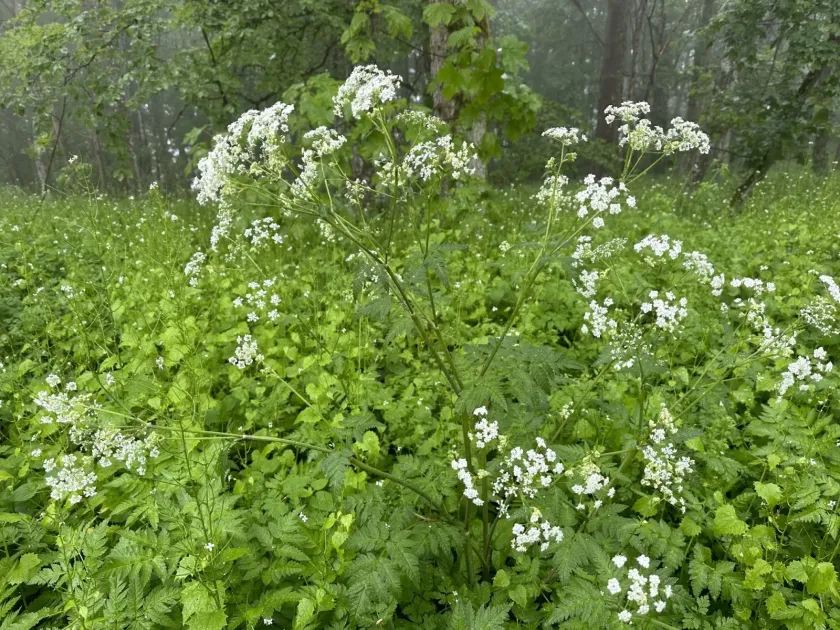
Description
Sowing dates
Shining chervil is a perennial plant that thrives best when sown in late autumn. Fall planting allows the seeds to undergo natural stratification during the cold winter months, ensuring uniform germination when spring arrives.
Spring sowing is also possible but requires seeds to be pre-chilled or sown as early as soil conditions permit. The seeds should be planted at a shallow depth of 1–2 centimeters, as they are relatively small and require minimal soil cover.
Row planting is the standard practice, with spacing between rows maintained at 30–40 centimeters. This density allows for better weed control and facilitates mechanical maintenance of the crop throughout the season.
The recommended seeding rate is approximately 8–10 kg per hectare to achieve an optimal stand density. Firming the soil after sowing helps improve seed-to-soil contact, which is vital for efficient moisture absorption.
During the establishment phase, the crop grows slowly. It is essential to keep the area free of aggressive weeds to ensure that the young chervil plants have enough space and nutrients to develop their root systems properly.
Growing requirements
Anthriscus nitida belongs to the Apiaceae family and grows best in fertile, well-drained loamy soils. It prefers a neutral to slightly acidic soil pH, which ensures optimal nutrient uptake for healthy vegetation.
The plant is known for its shade tolerance, making it a suitable candidate for intercropping or cultivation in areas with partial sun. However, adequate moisture is critical, as the crop performs best in consistently damp but not waterlogged conditions.
The species is highly winter-hardy and well-suited to temperate climates. Its deep root system allows it to tolerate minor environmental stress, provided that the soil structure remains loose and aerated.
For high productivity, the site should have access to regular water sources, especially during the peak of the spring growth season. If drought conditions occur, supplemental irrigation may be necessary to maintain growth.
Fertilization with phosphorus and potassium in the autumn promotes stronger root development for the following year. Light nitrogen applications in early spring can further stimulate the growth of green mass for fodder use.
Yield
The yield of shining chervil is heavily dependent on the management practices applied during the growing cycle. With proper nutrition and moisture, it can provide significant amounts of green biomass for livestock feed.
Under optimal conditions, the crop can yield between 150 to 250 quintals per hectare. Multiple cuts per season are possible if the crop is managed correctly, allowing for a substantial total harvest by the end of the year.
The nutritional value is highest at the onset of the flowering stage, containing essential proteins and vitamins. Harvesting at this precise moment ensures the best quality forage for animal consumption.
Seed production is another aspect of yield, which depends on favorable weather during the flowering window to attract pollinators. Protecting the crop from pests during this time is essential to secure a viable seed harvest.
Consistent field monitoring is recommended to determine the best timing for each cut. Well-managed fields can remain productive for several years, providing a reliable source of green mass throughout the crop's lifecycle.
Main diseases and pests
Like many species in the Apiaceae family, shining chervil is susceptible to powdery mildew, especially in warm and humid weather. Proper field spacing and airflow are the primary cultural methods for disease mitigation.
Rust infections can also affect foliage, reducing the overall photosynthetic capacity of the plants. Clearing crop residues after the harvest is an important practice to break the infection cycle of soil-borne pathogens.
Aphids and umbellifer moths are the most common pests, as they target the leaves and the developing flower heads. Infestations can significantly reduce seed yields and impact the overall quality of the forage.
Integrated pest management, including crop rotation, helps keep pest populations below the economic threshold. Chemical controls should be used sparingly and only when necessary, respecting safety intervals for livestock.
Regular visual inspections are vital to identify early signs of stress or infestation. Addressing these issues immediately protects the long-term viability of the stand and ensures high-quality output.
Harvesting
The harvest for fodder should ideally start at the beginning of the flowering phase. This timing provides the best balance between volume and nutritional quality, preventing the stems from becoming too fibrous and lignified.
After cutting, the biomass should be left in windrows to wilt partially. This process reduces the moisture content, making it easier to preserve the material as high-quality silage or haylage for later use.
Harvesting for seeds involves using combines calibrated to handle the small, delicate seeds. Since seeds may shatter easily once ripe, timely harvest is crucial to minimize field losses during the collection process.
Once harvested, seeds must be thoroughly cleaned and dried to a moisture content of 12–14%. Proper storage in cool, dry conditions is required to maintain high germination rates for the next planting season.
Sustainable farming practices suggest returning the crop residues to the soil as organic matter. This maintains soil health and provides nutrients for the next generation of crops, ensuring a closed-loop system.