
Anthriscus fumarioides
Anthriscus fumarioides
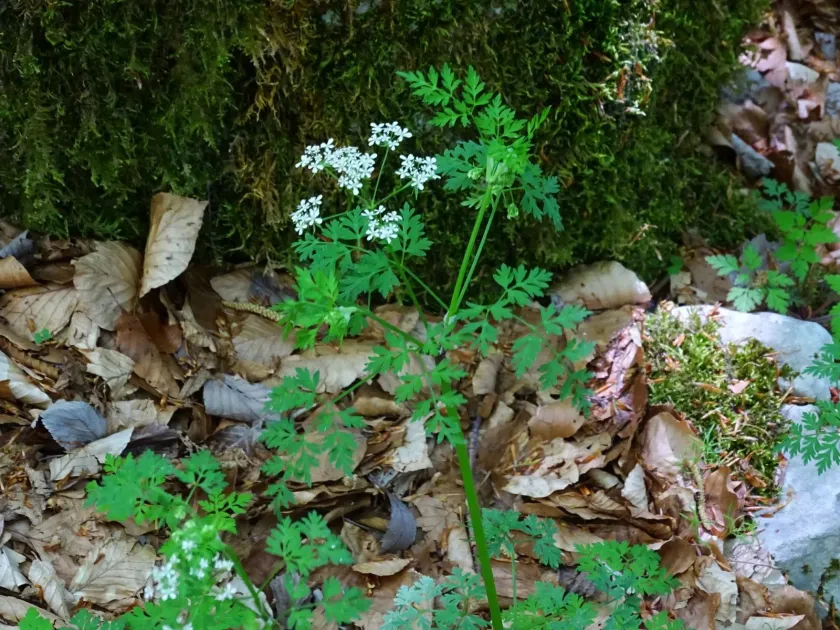
Description
Sowing dates
Anthriscus fumarioides belongs to the Apiaceae family. It is a productive plant typically grown for its delicate foliage and potential pharmaceutical applications, requiring careful management during the establishment phase.
Sowing should take place in early spring once soil temperatures reach approximately 5–8°C. Fall planting is also a viable option to leverage early spring moisture, which promotes faster germination.
Seeds should be sown at a shallow depth of 1–2 cm. Proper seed-to-soil contact is critical, as seeds often exhibit dormancy that requires consistent soil moisture to break effectively.
Standard row spacing is 20–25 cm, allowing for efficient weeding and air circulation. A seeding rate of 1–1.5 grams per square meter is usually sufficient for a dense stand.
Pre-treatment of seeds, including stratification or soaking in lukewarm water, is highly recommended to improve uniformity and germination speed in field conditions.
Growing requirements
The plant thrives in fertile, well-drained soils rich in organic matter. Loamy or sandy loam soils with a neutral pH are ideal for optimal root development and foliage production.
While the plant tolerates partial shade, it performs best in locations with adequate light, provided that moisture levels are consistently managed to prevent heat stress.
Water availability is essential, particularly during the initial vegetative growth stages. Drying of the topsoil can lead to premature bolting, which negatively impacts the quality of the harvest.
Incorporating compost or well-rotted manure into the soil during autumn preparation provides the necessary nutrients for sustained growth throughout the season.
Maintaining a balanced environment is key, as the plant is sensitive to waterlogging and poor soil aeration, which can lead to root system issues.
Yield
Yield potential is largely determined by climate control and effective moisture management. Under ideal conditions, producers can expect significant foliage mass throughout the growing season.
The first harvest usually occurs 40–50 days post-germination. The plant’s capacity for regrowth allows for multiple harvests if plants are cut at the appropriate height.
If the goal is seed production, the crop should be left to mature in its second year. Careful timing is required to harvest the umbels before the seeds shatter.
Managing the plant density and ensuring timely weeding are the most important factors in maximizing the total yield of fresh herb material.
Proper harvest management ensures that the plant retains its aromatic profile, which is highly valued for both culinary and commercial extraction purposes.
Main diseases and pests
Powdery mildew and various leaf spot diseases are common threats, especially in humid and stagnant air conditions. Proper spacing helps mitigate these risks significantly.
Pests such as the umbellifer moth and aphids can cause damage to the tender shoots and flower umbels, potentially reducing the overall quality of the crop.
Integrated pest management, including the use of biological control agents and resistant cultural practices, is preferred to maintain the safety and quality of the herb.
Early-season weed control is vital, as the crop grows slowly during its initial stages and can easily be outcompeted by more aggressive weed species.
Regular monitoring of the field is necessary to detect early signs of infestation or disease, allowing for timely intervention before economic damage occurs.
Harvesting
Harvesting is performed selectively by cutting the leaves when they reach a height of 15–20 cm. Care must be taken to preserve the central growing point for regrowth.
Post-harvest handling is critical; cooling the product immediately helps maintain freshness and preserves the volatile oils responsible for the plant's characteristic aroma.
When harvesting for seeds, the umbels are cut when they turn brown, dried in a shaded, well-ventilated area, and then threshed to separate the seeds from the debris.
Tools used for harvesting must be sharp and sanitized to ensure clean cuts, which minimizes the risk of pathogens entering the plant tissue.
Efficient post-season cleanup is essential to prevent the carryover of pests and diseases to the next cycle of production.