
Anthriscus nemorosa
Anthriscus nemorosa
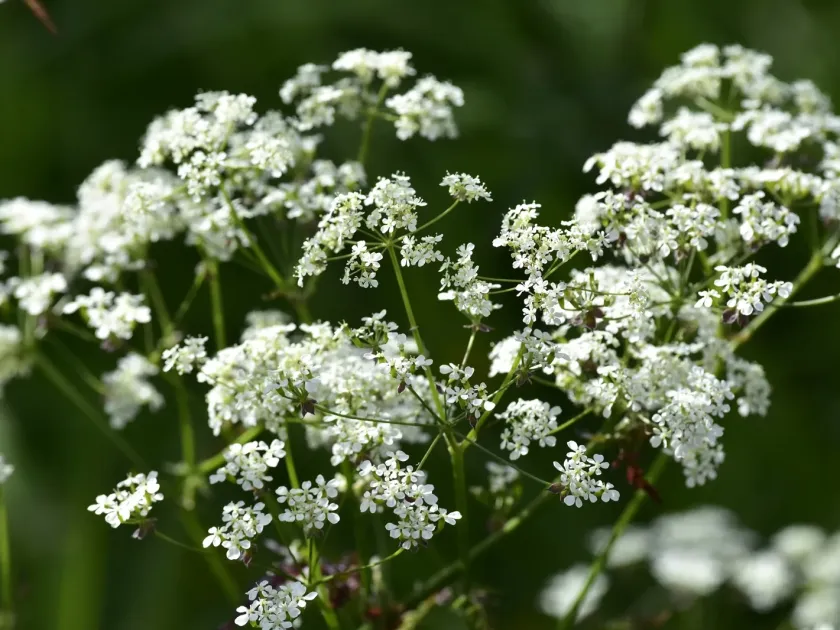
Description
Growing requirements
Anthriscus nemorosa, commonly known as a type of cow parsley, is a perennial herbaceous plant belonging to the Apiaceae family. It typically originates from forest edges and shaded meadows, making it an excellent candidate for cultivation in partially shaded areas.
The culture thrives in nutrient-rich, well-drained loamy soils. It is essential to ensure that the soil remains permeable, as this species is susceptible to root rot if the substrate becomes waterlogged or overly compacted during the wet season.
In terms of climatic requirements, this plant prefers temperate conditions with reliable rainfall. It is relatively hardy but performs best in sheltered locations where it is protected from extreme winds that could damage its tall, hollow stems.
Cultivation practices involve keeping the rows clear of competitive weeds and applying organic compost to maintain the necessary mineral content in the soil. Proper spacing is required to ensure adequate airflow, which is critical for the plant's overall vigor.
Its economic importance covers both culinary and medicinal sectors. The young foliage is highly regarded for its aromatic profile, while the plant itself serves as a reliable nectar source for pollinators, promoting biodiversity on the farm.
Main diseases and pests
The primary insect pests associated with this crop include the carrot fly and various species of aphids. These pests can severely impact biomass production, making it necessary to implement integrated pest management strategies early in the season.
Fungal pathogens such as powdery mildew represent the most significant threat to plant health, especially in conditions of high humidity. Maintaining adequate spacing between plants is the most effective preventive measure to ensure proper leaf ventilation.
Soil-borne diseases such as root rot can occur if the drainage is insufficient. Growers should monitor moisture levels carefully to prevent the saturation of the root zone, which otherwise facilitates the spread of pathogenic organisms.
Monitoring for symptoms of viral infections, often transmitted by aphids, is crucial. Plants that show signs of severe chlorosis or stunted growth should be removed immediately to prevent further spread within the field.
Regular sanitation of the agricultural plot, including the removal of dead plant debris, helps keep pest populations under control. This proactive approach minimizes the need for chemical intervention and ensures a higher quality of harvested material.