
Anisoptera scaphula
Anisoptera scaphula
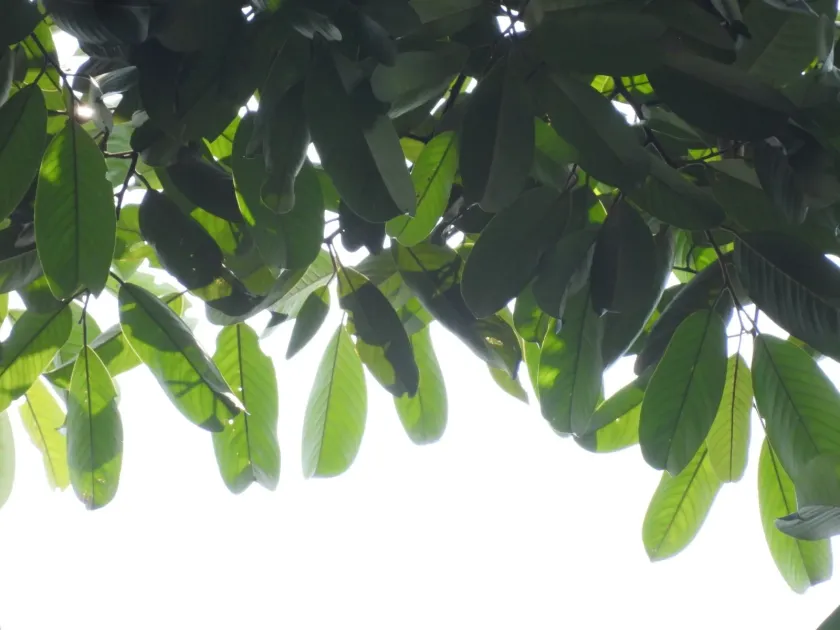
Description
Growing requirements
Anisoptera scaphula is a notable species within the Dipterocarpaceae family. It is a large, long-lived evergreen tree that thrives in the complex ecosystems of Southeast Asian tropical rainforests.
Native to countries like Myanmar, Thailand, and Malaysia, this species has adapted to hot and humid environments. It typically inhabits lowland forests where atmospheric moisture remains consistently high throughout the year.
To cultivate this species successfully, specific soil requirements must be met, primarily focusing on deep, well-draining soils. While it favors tropical conditions, it requires protection from direct exposure during the early stages of its development.
The botanical structure of the tree includes significant height growth and specialized seed dispersal mechanisms. Its winged fruits are an evolutionary adaptation meant to maximize the reach of the species within dense forest canopies.
Maintaining a stable temperature is essential for the health of Anisoptera scaphula. It does not tolerate prolonged frost or extreme cold, making it unsuitable for cultivation in non-tropical climatic zones without highly controlled environments.
Yield
The economic significance of this tree is derived primarily from its timber. The wood, frequently traded commercially, is prized for its strength, density, and suitability for heavy construction projects and fine woodworking.
Harvesting strategies are governed by forestry regulations aimed at ensuring sustainability. The slow growth cycle of the tree necessitates long-term planning, focusing on selective harvesting to protect natural ecosystems while meeting market demands.