
Anisoptera costata
Anisoptera costata
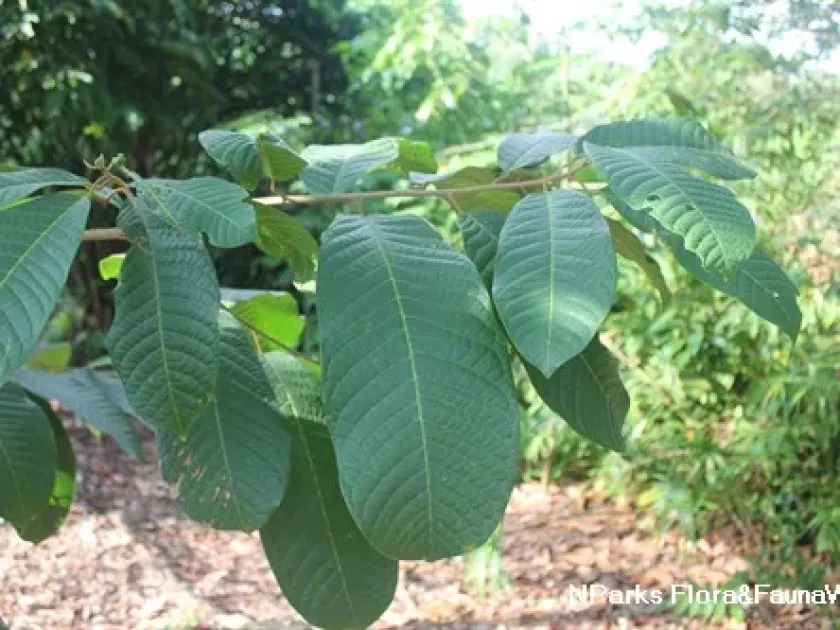
Description
Sowing dates
Anisoptera costata is a tropical evergreen tree, and it does not follow traditional sowing seasons like agricultural crops. Propagation is primarily done using fresh seeds, which lose viability rapidly after harvest.
The optimal time for sowing is at the beginning of the rainy season, as high humidity is essential for successful germination. In nature, seeds germinate quickly on the forest floor under a moist canopy.
In nursery conditions, seedlings are raised in containers for several months. They are typically ready for transplanting once they reach a height of 30 to 50 centimeters.
Site selection for transplanting is critical, as the young trees require protection from direct, intense sunlight during the initial establishment phase. Proper spacing is needed to minimize resource competition.
Regular maintenance, including controlled watering and monitoring of soil acidity, significantly improves survival rates during the first years of the tree's growth.
Growing requirements
Belonging to the Dipterocarpaceae family, this species requires a stable tropical climate. It thrives in well-drained, fertile soils often found in hilly terrain and lowland areas of Southeast Asia.
The tree requires an annual average temperature above 25 degrees Celsius. It is highly sensitive to extreme temperature fluctuations, which can hinder its physiological development.
Annual rainfall should exceed 2000 millimeters, with high relative humidity throughout the year. The species is highly dependent on a consistent water supply for photosynthesis.
Deep soil profiles are necessary to support the root system and ensure proper nutrient uptake. Waterlogging is detrimental and can lead to rapid root decay, making soil drainage a top priority.
This tree is a dominant canopy species in its native rainforest habitats, where it competes effectively for light and space when soil conditions are favorable.
Yield
The economic output of Anisoptera costata is based on its high-quality timber, commonly referred to as Mersawa in the international market. The harvest cycle usually spans 60 to 80 years.
Mersawa timber is characterized by medium density and excellent workability. It is widely used in furniture manufacturing, high-end construction, and interior joinery.
The market value depends on the quality of the logs, which must be straight and free from structural defects. The wood takes finishes, stains, and polishes exceptionally well.
Yield per hectare is determined by silvicultural management practices. Sustainable forest management plans ensure that harvests are balanced with the natural regeneration rates of the forest.
Efficiency in timber processing is critical for maximizing commercial value. Modern drying and milling techniques help maintain the stability and quality of the final lumber products.
Main diseases and pests
The primary threats to Anisoptera costata are large-scale deforestation and the conversion of tropical forests into industrial agricultural plantations, such as oil palm.
Pathogenic threats include fungal infections that target the root system, particularly in poorly drained soils. These infections are difficult to control in a natural forest setting.
Wood-boring insects and bark beetles pose a constant threat, especially to trees weakened by drought or environmental stress. Preventive monitoring is essential for maintaining stand health.
Climate change, manifesting as prolonged dry seasons or extreme weather events, increases the risk of forest fires, which are catastrophic for this species.
Lack of biodiversity in managed stands can increase susceptibility to pests and diseases, highlighting the importance of integrated pest management and sustainable practices.
Harvesting
Harvesting is conducted through selective logging, strictly governed by local forestry regulations. Clear-cutting is generally avoided to maintain the ecological integrity of the rainforest.
Trees are considered ready for harvest based on specific trunk diameter benchmarks, which indicate that the tree has reached technical maturity.
During extraction, low-impact logging techniques are employed to prevent damage to the surrounding young growth, ensuring the forest can recover and regenerate naturally.
Once logs are extracted, they are transported to processing facilities for controlled seasoning. Proper drying is crucial to prevent warping, checking, and splitting of the timber.
Effective logistics and adherence to international timber standards ensure that the final product meets the demands of the global construction and furniture industries.