
Anisoptera marginata
Anisoptera marginata
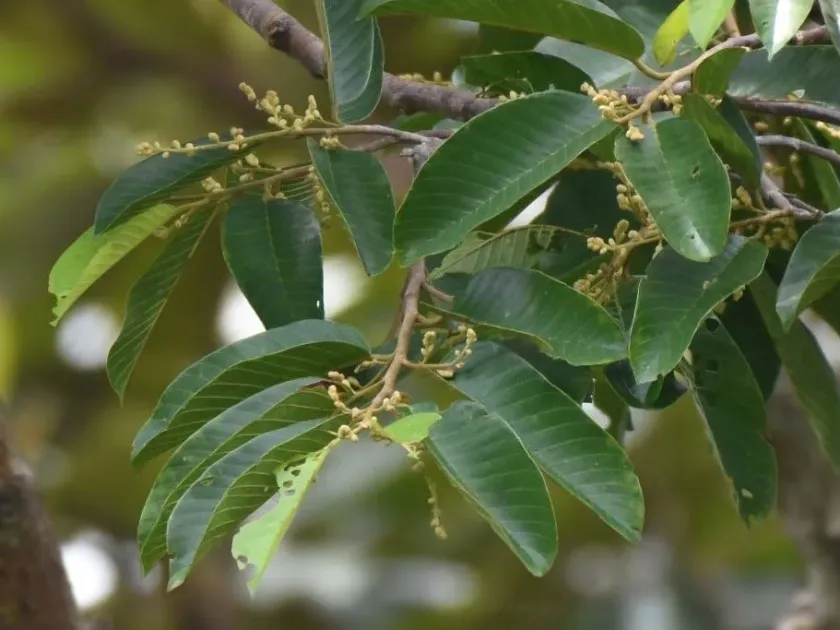
Description
Growing requirements
Anisoptera marginata is a significant tropical tree species belonging to the Dipterocarpaceae family. This tree is native to the lowland rainforests of Southeast Asia, where it plays a critical role in the ecosystem structure.
The tree thrives in climates characterized by high temperatures and consistent rainfall throughout the year. It does not possess any mechanisms to survive frost or significant cold stress, which defines its restricted tropical distribution.
Deep, fertile, and well-drained soils are essential for the healthy growth of this species. Waterlogging inhibits root development and often leads to the decline of the plant, even in its natural tropical habitat.
As a dominant canopy species, Anisoptera marginata has high light requirements. It performs best in open areas or managed forest gaps where it can access sufficient solar radiation to fuel its extensive growth.
Silvicultural management of this species involves maintaining the integrity of the soil microbiome, which is vital for the tree's health. The association with specific mycorrhizal fungi is often observed, supporting nutrient uptake in challenging forest environments.
Yield
The economic yield of Anisoptera marginata is primarily represented by its high-quality timber. It is known for producing strong, durable wood that is highly valued in the international construction and furniture industries.
The growth rate of this species is relatively slow compared to fast-growing plantation species, which necessitates long-term management planning. The commercial value increases significantly as the tree reaches its peak maturity.
Effective plantation management focuses on pruning and spacing to ensure straight and high-quality trunks. This maximizes the proportion of usable timber obtained during the harvesting phase, minimizing waste.
Sustainable harvesting practices are essential to ensure the longevity of the resource. By implementing rotational harvest cycles, forest managers can maintain a continuous supply of wood while protecting the ecological balance.
Seed production and germination are critical stages in the lifecycle. Given the short viability period of the seeds, nursery operations must be highly synchronized with the fruiting season to ensure successful seedling establishment.
Main diseases and pests
The primary threats to Anisoptera marginata include fungal decay and wood-boring insects. These pests often target trees that are already stressed by environmental changes or mechanical injury, resulting in significant timber loss.
Habitat loss due to large-scale deforestation remains the most critical threat to the long-term survival of the species in the wild. Fragmentation of forest tracts reduces genetic diversity and makes remaining trees more susceptible to outbreaks.
Climate change is emerging as a major stressor, with altered precipitation patterns impacting the tree's ability to resist secondary pest attacks. Drought periods can lower the tree's internal defenses against pathogens.
Forest management protocols require rigorous monitoring for early detection of pest activity. Integrated pest management strategies, focusing on biological controls and minimal chemical intervention, are preferred to maintain ecosystem health.
Compliance with international regulations regarding timber sourcing is vital for the sustainable management of Anisoptera marginata. Legal and ethical harvesting practices ensure the protection of the species for future generations.