
Anisophyllea laurina
Anisophyllea laurina
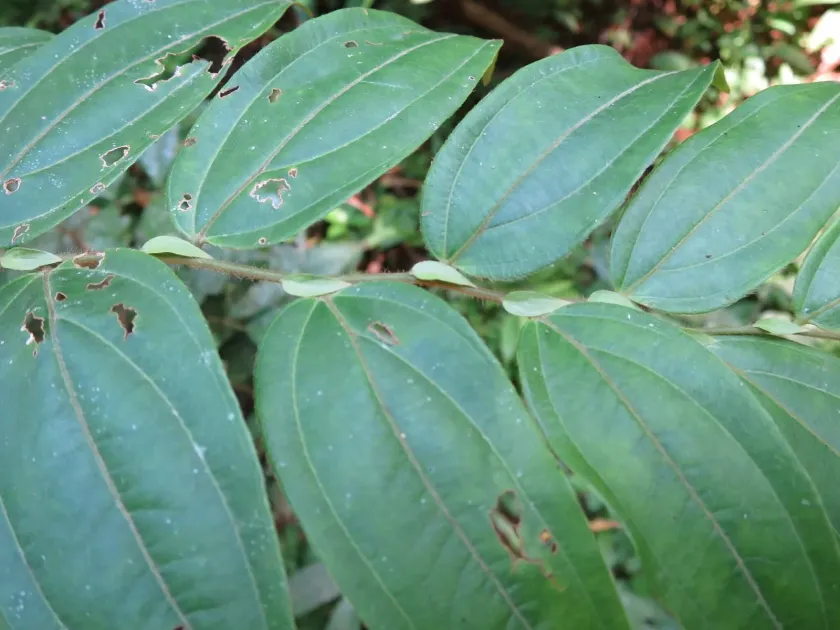
Description
Growing requirements
Anisophyllea laurina is a tropical evergreen tree belonging to the family Anisophylleaceae. Native to the coastal forests of West Africa, it thrives in warm and humid environments, typical of tropical lowland regions.
The plant requires high temperatures throughout the year to maintain its metabolism. It is sensitive to cold and requires a frost-free environment to reach its full productive potential as an agricultural crop.
Optimal soil conditions include deep, well-drained, and nutrient-rich substrates. The tree shows a preference for soils that maintain moisture without becoming waterlogged, which is vital for preventing root damage.
Botanically, the tree is characterized by its glossy, laurel-like foliage. It can reach a considerable height in its natural habitat, contributing to the structural complexity of the tropical canopy layer.
The primary agricultural output is its edible fruit, commonly referred to as the 'monkey apple'. These fruits are locally harvested for their flavor and nutritional properties, playing a role in food security in specific tropical regions.
Main diseases and pests
Fungal diseases constitute a major threat to Anisophyllea laurina in humid conditions. Managing canopy density through pruning is essential to allow adequate airflow and reduce the risk of pathogen outbreaks.
Pests such as tropical fruit flies and various coleopterans can cause significant damage to the harvest. Integrated pest management strategies are often implemented to mitigate these losses without harming local ecosystems.
Root system issues, often caused by soil compaction or poor drainage, represent a significant physiological threat to tree longevity. Establishing a proper soil structure before plantation is crucial.
Competition from aggressive tropical weeds can stunt the growth of young trees. Implementing weed control measures during the first years of cultivation is necessary for successful establishment.
Preventative maintenance, including the removal of dead or infected branches, helps sustain the overall health of the orchard and prevents the spread of woody tissue diseases.