
Anisophyllea disticha
Anisophyllea disticha
Description
Growing requirements
Anisophyllea disticha is a distinctive evergreen tree species belonging to the Anisophylleaceae family. Native to the humid tropical forests of Southeast Asia, this species thrives in environments characterized by stable, high temperatures and significant annual precipitation.
Successful cultivation of this species requires a climate that mimics tropical rainforest conditions, with high humidity levels consistently above 80 percent and protected, sheltered planting sites to prevent wind damage.
Regarding soil, Anisophyllea disticha prefers deep, well-draining substrates rich in organic matter. Soil compaction or waterlogging is highly detrimental to the root health of the tree, making proper terrain selection essential for site preparation.
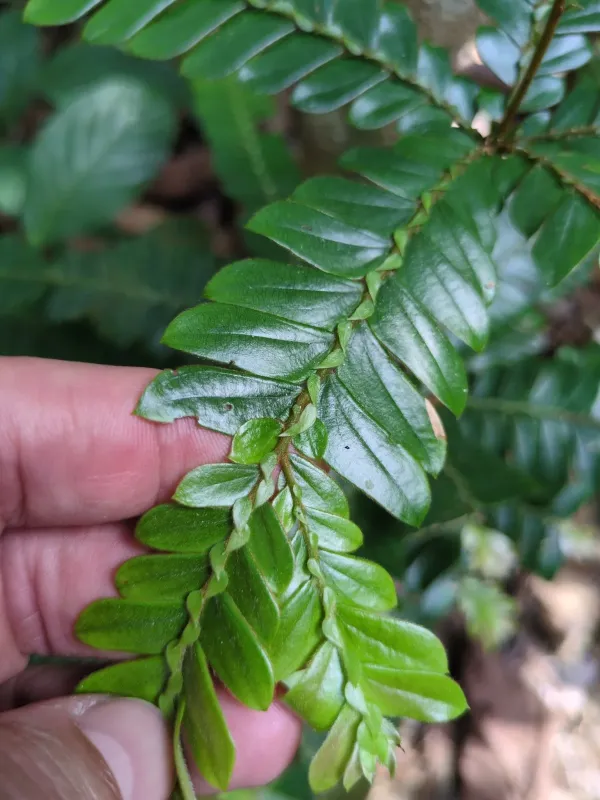
The botanical structure of the plant is defined by its distichous leaf arrangement, where leaves grow in two clear vertical rows along the stem. This adaptation allows the plant to capture diffused light effectively under the dense canopy of tropical forest ecosystems.
Economically, the species is valued primarily for its timber, which is known for its durability and resistance. Furthermore, various parts of the tree have been traditionally utilized in local medicine, highlighting its multifunctional importance in indigenous land management.
Main diseases and pests
The primary threats to Anisophyllea disticha include root rot diseases that emerge when soil drainage is insufficient, especially during heavy monsoon seasons common in its native range.
Pests such as wood-boring insects and termites pose a significant danger to the integrity of the stem, often undermining the structural quality of the wood produced by the trees.
Fungal infections of the foliage can occur under conditions of poor air circulation and excessive dampness, necessitating careful spacing of trees within a managed plantation setup.
Habitat loss due to large-scale deforestation and land conversion remains the most pressing threat to the long-term survival of the species in wild populations.
Effective management strategies should focus on monitoring for pest outbreaks and maintaining the natural ecological balance within the surrounding forest structure.