
Andrographis serpyllifolia
Andrographis serpyllifolia
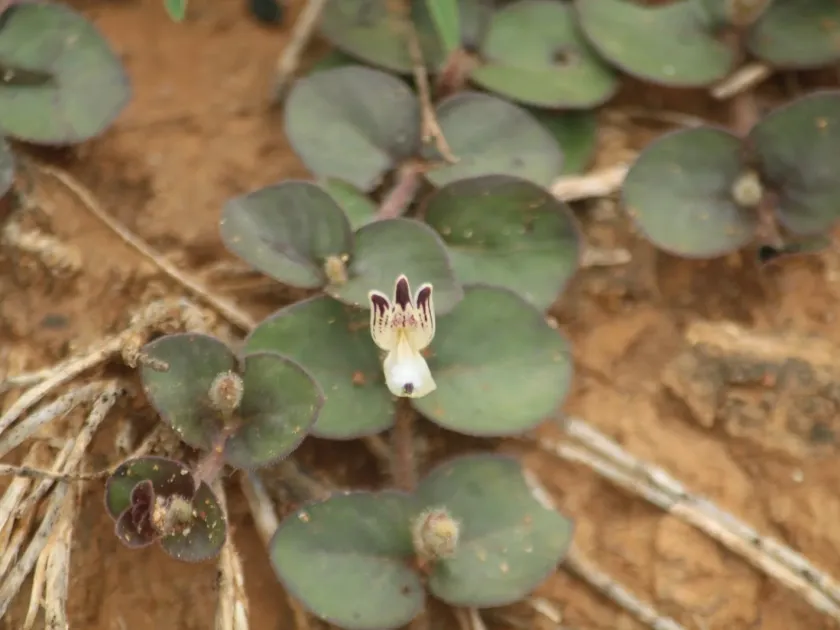
Description
Sowing dates
Sowing this crop in its natural habitat usually takes place at the onset of the rainy season, ensuring optimal moisture levels for germination. Under controlled cultivation, seeds are sown into a prepared substrate at a soil temperature of no less than 25°C.
The seeding depth is approximately 0.5–1 cm, as the seeds are small and require good contact with damp soil to trigger growth. It is essential to follow a precise sowing scheme to ensure sufficient space for each plant during its active development phase.
Pre-sowing treatments, such as stratification or soaking, can significantly increase the germination energy of the seeds. In industrial-scale production, a seedling method is often used to ensure uniform and vigorous plant growth before transplanting into the field.
Maintaining stable soil moisture during the first two weeks after sowing is a critical factor for success. Drying out of the surface layer can lead to mass seedling failure, making the use of mulching materials a standard requirement in professional agrotechnology.
Once seedlings have fully emerged, thinning is performed to leave the most vigorous specimens at intervals of 20–30 cm. This practice minimizes resource competition and prevents overcrowding, which can otherwise trigger fungal diseases.
Growing requirements
Andrographis serpyllifolia is a member of the Acanthaceae family that thrives in well-lit areas protected from harsh midday sun. The crop develops best in tropical and subtropical climates characterized by the absence of extreme temperature fluctuations.
The plant has specific soil requirements, preferring loamy or sandy soils with excellent drainage. Waterlogging in the root zone is fatal for this species, as it quickly leads to the development of root rots and subsequent plant death.
The optimal soil acidity ranges from pH 6.0 to 7.5. Applying organic fertilizers before planting provides the plants with necessary nutrients throughout the growing season and enhances the overall soil structure.
The plant exhibits unique morphological traits, including creeping or semi-erect stems and rounded leaves that resemble thyme. These features make the crop sensitive to mechanical damage during routine field maintenance and care.
Keeping fields free of weeds is essential, as invasive species actively compete for light and water. Regular weeding during the early stages of the growing season is the key to forming a robust vegetative apparatus for higher yield.
Yield
The economic value of the crop lies in the biomass of stems and leaves, which contain valuable secondary metabolites. Yield directly depends on the agronomic background and the regularity of nitrogen-potassium fertilizer applications.
When all technological parameters are strictly met, the average harvest of dry marketable biomass can reach several tons per hectare. The timing of the harvest is crucial, as it directly impacts the concentration of active substances in the raw plant material.
To maximize product output, a staged harvest method is practiced, where only the upper part of the stem is cut, allowing the plant to regrow. This method requires careful handling to avoid damaging the root system during the cutting process.
Economic efficiency is closely linked to the ability to dry the raw material immediately after harvesting. Proper temperature control during drying prevents the loss of biologically active compounds and ensures a high-quality final product.
Yield evaluation also accounts for the purity of the raw material, specifically the absence of debris and diseased plant parts. Optimizing the harvesting process through specialized machinery helps significantly reduce overall production costs.
Main diseases and pests
Typical threats for this crop include fungal pathogens that cause wilting and leaf spot. High air humidity combined with poor ventilation creates ideal conditions for the rapid spread of mold spores throughout the canopy.
Pests such as spider mites and various aphid species can cause significant damage during dry periods. These insects feed on cellular sap, leading to leaf deformation and a general decline in the plant's physiological vigor.
Root-knot nematodes pose a serious threat when the crop is grown repeatedly on the same plot. Implementing a rigorous crop rotation cycle is an essential preventive measure to reduce soil-borne infections.
Plant protection involves both biological control methods and systemic fungicides approved for use on medicinal crops. It is vital to strictly adhere to pre-harvest intervals to ensure the safety of the final herbal products.
An integrated pest management system includes monitoring population dynamics and timely removal of crop residues, which significantly reduces the infectious pressure for the next growing season.
Harvesting
Harvesting of Andrographis is conducted during the full flowering phase, when the concentration of beneficial chemical compounds in the aerial part of the plant reaches its peak. This window is optimal for obtaining high-grade medicinal material.
Harvesting is performed by cutting the stems at a height of 10–15 cm above the soil surface. Using sharp instruments prevents stem splitting and damage to the base nodes, which is critical for the plant’s vegetative recovery.
The harvested green mass must be transported immediately to a drying facility, as fermentation can rapidly begin, leading to the spoilage of material and loss of therapeutic efficacy, thereby lowering its market value.
Drying is performed in shaded, well-ventilated areas or in specialized industrial drying chambers at temperatures not exceeding 40–45°C. Forced ventilation accelerates the process and prevents the development of mold on the raw material.
After drying, the raw material undergoes sorting and cleaning to remove impurities before being packed into airtight containers. Proper storage in a cool, dry place preserves product quality for 12 to 24 months.