
Andrographis laxiflora
Andrographis laxiflora
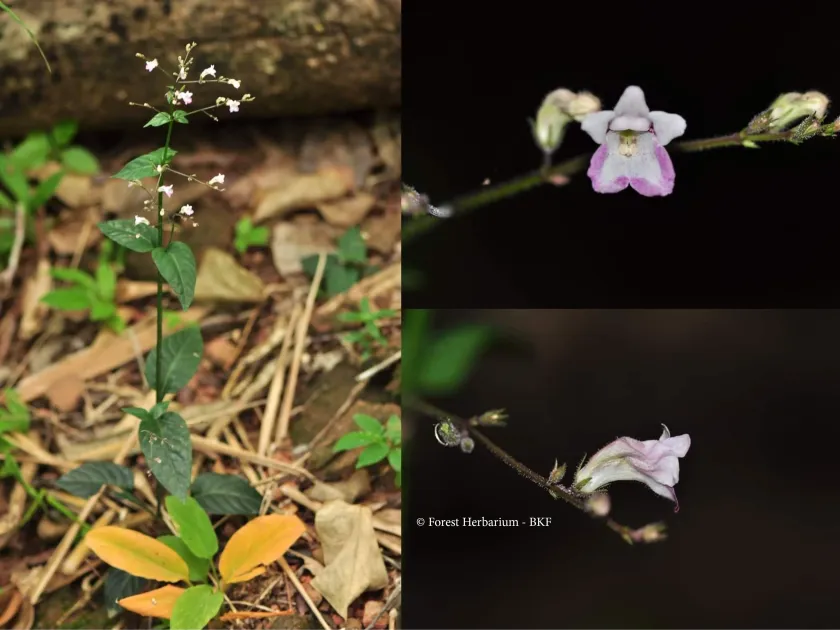
Description
Growing requirements
Andrographis laxiflora is a herbaceous plant belonging to the Acanthaceae family. Native to tropical forest ecosystems, this plant thrives in environments characterized by high humidity and filtered sunlight, making it a specialized crop for specific climatic zones.
For successful cultivation, the plant requires a stable tropical climate with temperatures between 22 and 28 degrees Celsius. Exposure to temperatures below 15 degrees Celsius can cause significant stress, inhibiting the development of the vegetative mass required for harvesting.
The soil should be nutrient-rich, light, and well-drained. Loamy soils with high organic matter content are ideal for maximizing root development and plant vigor. Good drainage is critical, as stagnant water is the primary cause of root-related complications in this species.
Botanically, the plant features square stems and lanceolate leaves that are highly valued for their bioactive content. The inflorescence is loose, differentiating it from more common relatives in the genus, and requires specific care during the flowering stage to maintain biomass quality.
Agricultural management includes precise irrigation scheduling and weed control. Since the plant has a shallow root system, surface cultivation must be performed with caution to avoid mechanical damage to the roots, which could otherwise weaken the plant.
Main diseases and pests
Root and crown rot represent the most significant threat to Andrographis laxiflora plantations. These diseases are often triggered by improper water management and soil compaction, necessitating careful monitoring of drainage systems.
Pests such as aphids and spider mites are prevalent in warmer conditions. These pests target the leaves, leading to chlorosis and general stunted growth, which directly affects the economic yield of the herbal material harvested.
Effective pest control involves a combination of mechanical removal and the use of targeted biopesticides. Implementing a strict crop rotation cycle is recommended to break the life cycle of soil-borne pathogens that might otherwise persist in the substrate.
Maintaining adequate air circulation between plants is a vital preventative measure against fungal outbreaks like powdery mildew. Proper plant spacing allows for better evaporation, reducing the risk of pathogen establishment.
Regular scouting for pest populations is recommended to allow for early intervention. Sustainable agricultural practices emphasize early detection to minimize the need for heavy chemical intervention, preserving the medicinal purity of the final crop.