
Andrographis echioides
Andrographis echioides
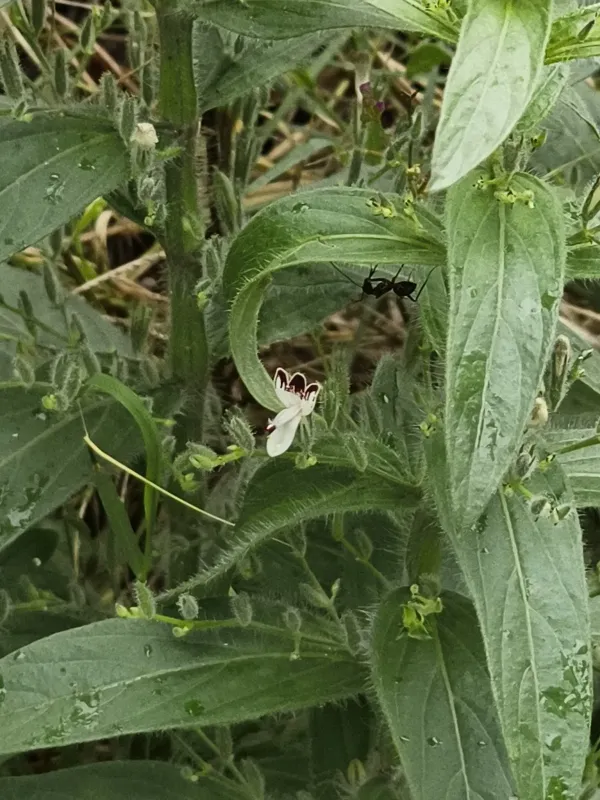
Description
Sowing dates
Andrographis echioides is an herbaceous annual plant whose growth cycle is closely aligned with the warm season. Sowing should be carried out when soil temperatures consistently reach 20–25 degrees Celsius, ensuring optimal conditions for seed germination and initial establishment.
Seeds are sown in rows at a depth of 1–2 centimeters, maintaining sufficient spacing to prevent overcrowding. Proper density management is essential for providing each plant with adequate nutrients and space, which promotes healthy development and facilitates mechanized weeding processes.
Choosing a location with high solar exposure is crucial for the crop, as the plant thrives in well-lit, open areas. During the early seedling stage, it is vital to keep the field clear of weeds, as the plant is slow-growing initially and can easily be outcompeted by aggressive weeds.
Soil preparation involves light tilling and the incorporation of organic matter to improve structure and moisture retention. Once the seedlings are established, they demonstrate high resilience, forming a thick canopy that effectively suppresses most competing weed species in the later stages of growth.
Farmers should monitor seedling development carefully, as uniform stand density is key to a productive harvest. If gaps appear, immediate reseeding or transplanting can ensure that the field reaches its full potential yield during the harvest phase.
Growing requirements
Belonging to the Acanthaceae family, this plant is adaptable to various soil types, preferring loamy soils with good drainage and neutral pH. Avoiding waterlogged conditions is essential, as the roots are sensitive to prolonged periods of saturation, which can lead to rapid decay.
Water requirements are moderate, but the plant benefits from consistent moisture during the vegetative growth phase. In arid climates, supplemental irrigation is necessary to ensure the continuous production of high-quality biomass, which is the primary focus of commercial cultivation.
The optimal temperature range for Andrographis echioides is 22 to 32 degrees Celsius. It is a highly thermophilic species, meaning it does not tolerate cold snaps or frost, which necessitates cultivation in tropical or warm temperate zones, often inside greenhouses in cooler regions.
Fertilization with a focus on phosphorus and potassium encourages the development of root systems and the synthesis of bioactive compounds. Balanced nutrient management is crucial for achieving high concentrations of active ingredients, which significantly enhances the market value of the dried herb.
Regular aeration of the soil through light hoeing between rows improves oxygen access to the roots. This simple agricultural practice significantly increases the plant's metabolic efficiency, leading to more robust growth and a shorter turnaround time between planting and the harvest season.
Main diseases and pests
Fungal diseases, including root rot and powdery mildew, are the most common threats, particularly in environments with high humidity and poor airflow. Preventive measures such as choosing well-drained sites and ensuring optimal plant spacing are essential for maintaining a healthy crop.
Pests like aphids and spider mites can infest the foliage, reducing the quality and quantity of the harvest. Regular inspections of the undersides of the leaves allow for early detection, enabling farmers to use targeted organic or synthetic interventions before the infestation becomes severe.
Nematodes pose a long-term threat to the root system, particularly in fields where the crop is grown continuously without rotation. Implementing a diverse crop rotation strategy is the most effective way to manage soil-borne pathogen levels and ensure the longevity of the land's productivity.
Poor ventilation within the crop canopy creates ideal conditions for fungal pathogens to thrive. Ensuring that the foliage can dry quickly after rain or irrigation is a simple yet effective defense against the most common diseases affecting this species of Andrographis.
When pest pressure exceeds acceptable thresholds, selective insecticides may be employed. However, careful application timing is critical to comply with safety standards for medicinal crops, prioritizing the health of the final product while minimizing the environmental impact on the field.
Harvesting
Harvesting is typically conducted during the peak flowering stage, when the concentration of secondary metabolites is at its highest. Precisely timing the harvest is vital to ensure that the material meets industry specifications for medicinal value and overall chemical composition.
The plants are cut at a height of 5–10 centimeters from the ground, allowing for potential regrowth or simply facilitating efficient biomass collection. Sharp tools must be used to ensure clean cuts, which help prevent the spread of pathogens into the remaining plant tissue.
Post-harvest processing requires immediate drying in a shaded, well-ventilated space. Maintaining temperatures below 45 degrees Celsius is essential to prevent the degradation of heat-sensitive active components, ensuring the highest level of potency in the final dried herb.
Sorting and cleaning should be performed to remove soil particles, debris, and any discolored or diseased parts. Consistent quality control at this stage guarantees that the batch meets buyer expectations and remains free from contaminants that could impact the product's safety.
Dried material should be stored in breathable, moisture-resistant packaging in a cool, dark environment. Proper storage conditions allow the herb to maintain its therapeutic properties for up to two years, ensuring that the supply chain remains effective and the product remains shelf-stable.