
Anadenanthera peregrina
Anadenanthera peregrina
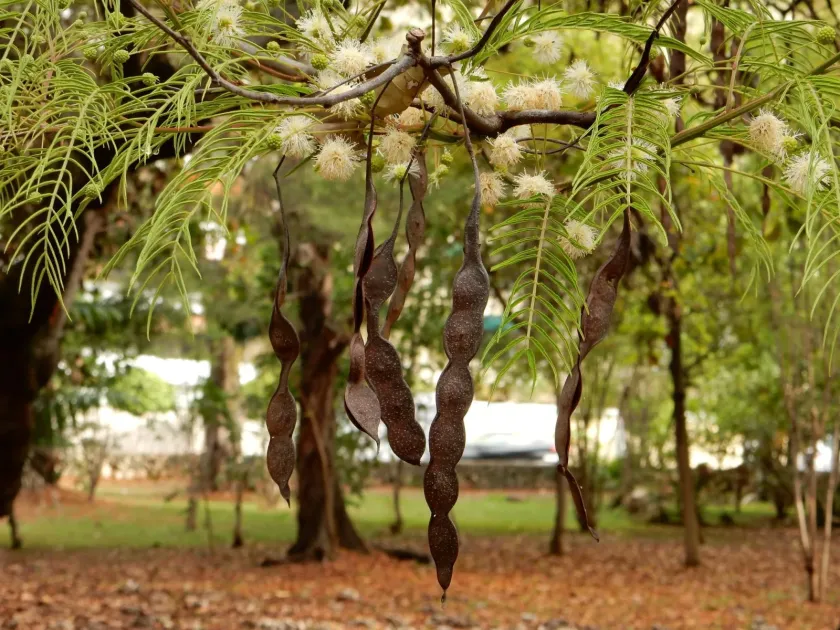
Description
Sowing dates
Anadenanthera peregrina belongs to the category of evergreen tropical trees, and its propagation in industrial settings is primarily achieved through seeds.
Sowing should be performed immediately after harvesting the pods, as the seeds lose their viability quickly when stored outside the fruit.
Successful germination requires a substrate with high humidity and ambient temperatures maintained between 25 and 28 degrees Celsius.
Initial transplanting of seedlings into open ground is recommended only after they have reached a stage of development where the root system is strong enough for adaptation.
The optimal time for starting the sowing process is the beginning of the rainy season, providing natural irrigation for young saplings to establish themselves effectively.
Growing requirements
This crop is a member of the Fabaceae (legume) family and has specific requirements regarding its growth conditions.
The plant prefers well-drained sandy or loamy soils with moderate acidity, characteristic of the tropical and subtropical regions of South America.
The tree is extremely sensitive to frost, making its cultivation area strictly limited to tropical zones with positive temperatures throughout the year.
High light exposure is essential, as Anadenanthera peregrina is a light-loving plant that requires open spaces for vigorous and full growth.
The species shows high tolerance to short-term droughts due to its deep taproot system, although insufficient moisture can noticeably reduce the development of the crown.
Yield
Commercial utilization of Anadenanthera focuses primarily on harvesting biomass, high-quality timber, and seeds containing specific chemical compounds.
The wood of this tree is known for its remarkable hardness and durability, making it a valuable material for local woodworking and construction projects.
Seeds are traditionally harvested by hand once the pods, which are long and leathery, reach full maturity and begin to dry.
Yield potential increases as the tree matures, with adult specimens capable of producing significant quantities of pods under proper nutrient management.
Efficiency in harvesting depends heavily on the maintenance of the crown, regular sanitary pruning, and monitoring the planting density within the orchard.
Main diseases and pests
Like most tropical legumes, this crop is susceptible to damage by specific wood-boring pests, which can affect the integrity of the stem.
In high humidity environments, fungal diseases of the root system may occur if there is poor drainage or standing water in the root zone.
The foliage can be affected by various aphid species and lepidopteran larvae that feed on fresh green tissues.
Maintaining plot hygiene and the timely removal of branches showing signs of decay are essential for preventing the spread of diseases.
Prevention strategies include ensuring proper spacing between trees to facilitate air circulation and consistent light penetration across the entire canopy.
Harvesting
Harvesting the pods is best conducted during the dry season when the fruit turns brown and becomes brittle enough for easy gathering.
Mechanical aids or manual labor are used to collect the seeds, ensuring that physical damage to the trunk and branches is kept to a minimum.
Post-harvest, the pods require immediate drying in a well-ventilated area to prevent the development of mold on the stored seeds.
Timber harvesting occurs when the trees reach sufficient maturity, ensuring the collection of high-density and premium-grade wood.
When stored correctly, the seeds maintain their viability for a certain duration, suitable for both further industrial processing and cultivation purposes.