
Anadenanthera macrocarpa
Anadenanthera macrocarpa
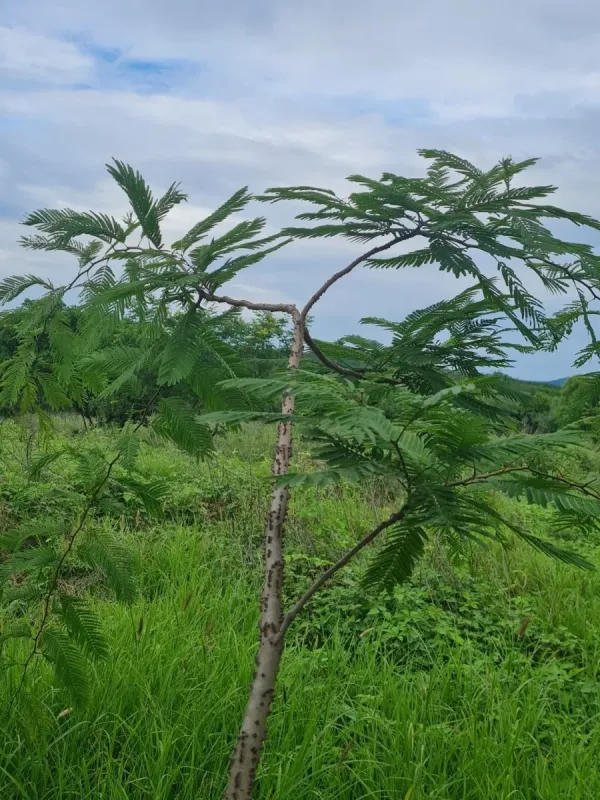
Description
Sowing dates
Seeds of Anadenanthera macrocarpa are typically sown at the beginning of the rainy season to ensure sufficient moisture for successful germination. In nursery conditions, seeds are often scarified to overcome the hard seed coat and promote faster sprouting.
For direct field seeding, the ground must be cleared of weeds and tilled to create a loose topsoil structure. Sowing is usually performed in rows with specific spacing to ensure that saplings have enough room to develop without competing for sunlight.
Using container-grown seedlings is often preferred for this species to ensure higher survival rates. The saplings are transplanted into the field once they reach a height of 30-40 centimeters, allowing for a more robust root system.
Consistent watering during the initial growth stages is critical, as young trees require stable soil moisture to establish their roots. During the first few months, it is essential to manage weed growth around the saplings to prevent nutrient and light competition.
The optimal time for planting is determined by local climate cycles, ensuring the saplings have enough time to adapt before the onset of the dry season. Mild temperatures provide the best environment for stable biomass development.
Growing requirements
Anadenanthera macrocarpa belongs to the Fabaceae family and thrives in well-drained soils, typically favoring red soils or sandy loams. The species exhibits high tolerance to periodic droughts, making it suitable for regions with pronounced seasonal climate patterns.
The tree is heliophilic, requiring open, sunny locations to achieve optimal growth rates throughout the day. In shaded environments, development is significantly slower, which negatively impacts the final quality of the timber produced.
The temperature range for this species is quite broad, but it performs best in tropical and subtropical climates, generally between 20 and 30 degrees Celsius. It lacks frost tolerance, making it unsuitable for cultivation in areas prone to freezing temperatures.
Soils with a neutral to slightly acidic pH are ideal for the development of a healthy root system. Adequate soil aeration is a key requirement, as waterlogged conditions can lead to root rot and other physiological issues.
In its native habitat, the tree is found in savannahs and open woodlands, indicating its adaptability to nutrient-poor soils. In commercial plantations, organic fertilization can be used to accelerate the growth of younger trees.
Yield
The primary economic output from Anadenanthera macrocarpa is its high-density timber, which is highly valued in the furniture and woodworking industries. The time required for the trees to reach a harvestable trunk diameter spans several decades.
The wood is known for its extreme hardness, resistance to rot, and attractive appearance, making it a premium choice for high-end furniture and outdoor construction. The yield is heavily influenced by planting density and the quality of forest management.
In addition to timber, the bark of the tree is a significant source of tannins. These compounds are widely utilized in the leather industry for the tanning process, representing an important secondary revenue stream for producers.
In agroforestry systems, the tree helps improve soil quality due to its nitrogen-fixing capabilities. While timber remains the main focus, the biomass generated can also be utilized for organic soil enrichment in some management systems.
The economic profitability of an Anadenanthera plantation depends on long-term investment cycles. Intensive silvicultural management, including pruning and thinning, can lead to higher quality timber and faster growth rates.
Main diseases and pests
Common threats to this culture include fungal infections of the bark, which can occur under conditions of high humidity and poor ventilation within the plantation. Regular sanitary pruning is an effective way to mitigate the spread of such pathogens.
Wood-boring insects, including specific types of beetles, can cause significant structural damage to the trunks of mature trees. Continuous monitoring of the bark and tree health is essential for early detection and intervention.
Leaf-eating insects can attack young saplings, slowing their development significantly during the early years. Both biological control agents and localized insecticide applications are used in cases of significant pest outbreaks.
Weed competition remains a major challenge, as unwanted vegetation can shade out young saplings and deplete soil nutrients. Mulching the base of the trees helps suppress weed growth and retain soil moisture.
Improper irrigation management or poor drainage can lead to root decay. Selecting an appropriate site with excellent natural drainage is the most important preventive measure to ensure the long-term viability of the plantation.
Harvesting
Harvesting the timber of Anadenanthera macrocarpa is conducted through selective logging or clear-cutting once the trees have reached maturity. This process necessitates the use of specialized forestry equipment to handle the dense wood.
Prior to logging, trees are evaluated to identify the healthiest and most mature specimens for harvest. This selection process ensures the efficient use of forest resources and maintains the quality of the harvested logs.
After felling, the logs undergo primary processing, which includes removing branches and bark, the latter of which may be collected for tannin production. Proper drying and seasoning of the timber are crucial to prevent warping and cracking.
The collection of bark, when practiced as an additional harvest, follows specific silvicultural guidelines to ensure the tree remains healthy. Sustainable harvesting techniques are necessary to prevent long-term damage to the tree's vascular system.
Once harvesting is complete, the site is cleared of debris and prepared for replanting to ensure the continuous cycle of timber production. In many cases, protective windbreaks are maintained around the site to preserve soil integrity.