
Ampelocissus sarcocephalus
Ampelocissus sarcocephalus
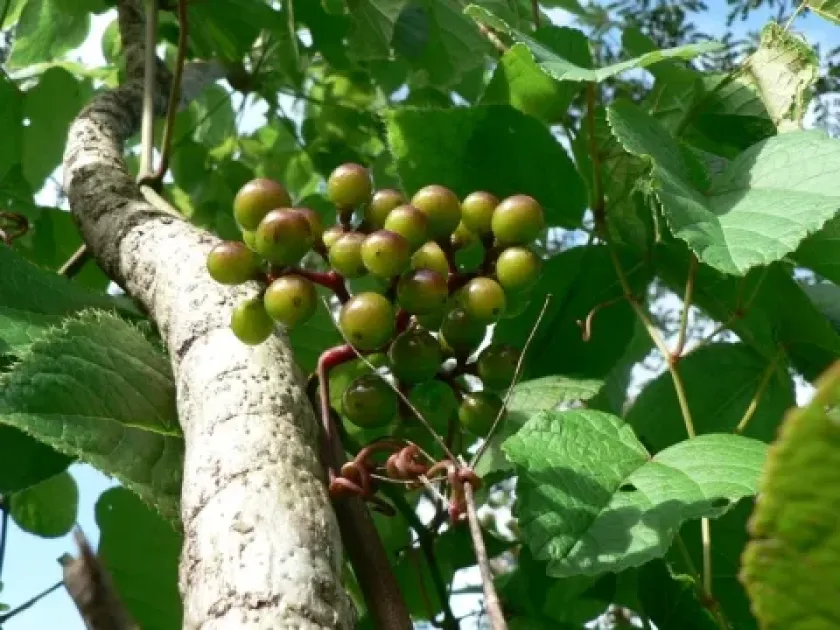
Description
Growing requirements
Ampelocissus sarcocephalus is a perennial woody vine belonging to the Vitaceae family. It is native to tropical regions, primarily found in the forests and wooded savannas of West and Central Africa.
The plant thrives in warm and humid tropical climates, requiring consistent moisture and temperatures. It prefers sites with dappled or full sunlight, allowing the vines to climb effectively using their tendrils.
Soil requirements include high organic matter content, good drainage, and a slightly acidic to neutral pH level. Stagnant water is detrimental to the plant, so well-draining soil structures are essential for root health.
Good agricultural practice requires the installation of sturdy trellises or supports to facilitate vertical growth. Regular pruning is necessary to manage the dense foliage and encourage the development of fruit-bearing clusters.
Moisture management is critical; while the plant enjoys humidity, it needs proper soil aeration. Applying mulch helps maintain soil temperature and moisture levels, mimicking the natural forest floor environment.
Yield
The primary economic use of this species is the harvesting of its edible berries. The fruits are produced in clusters and are traditionally consumed by local populations for their unique nutritional profile.
Yield capacity is influenced by the vine's age, the intensity of sunlight, and the presence of pollinators. Mature vines can produce a significant volume of berries during the peak fruiting season.
Beyond human consumption, the plant is valued for its potential in ethnobotanical applications. Various parts of the vine, including roots and bark, are often researched for their chemical properties.
Post-harvest handling is important, as the berries are relatively perishable. Processing them into jams, preserves, or juices can extend their shelf life and increase their market value.
Success in production is often linked to the seasonal rainfall patterns in its native habitat. Supplemental irrigation during dry spells can significantly stabilize fruit production cycles.
Main diseases and pests
Fungal pathogens are the most significant threats to Ampelocissus sarcocephalus, especially in high-humidity environments. Leaf spot and fruit rot are common issues that require careful monitoring and airflow management.
Various insects, including leaf-eating beetles and sap-sucking pests like aphids, can hinder vegetative growth. Regular monitoring of the foliage is essential to detect early infestations before they spread.
Root-knot nematodes represent a hidden threat to the root system, potentially causing stunted growth. Implementing crop rotation or using sterilized soil media in nurseries can help mitigate these risks.
Mechanical damage from strong winds can stress the vines, making them more susceptible to disease. Proper anchoring of the trellis system is a fundamental preventive measure in cultivation.
Predation by birds and small mammals is a common challenge during the ripening stage. Protective netting is often the most effective method to ensure the security of the harvest until maturity.