
Ampelocissus gracilis
Ampelocissus gracilis
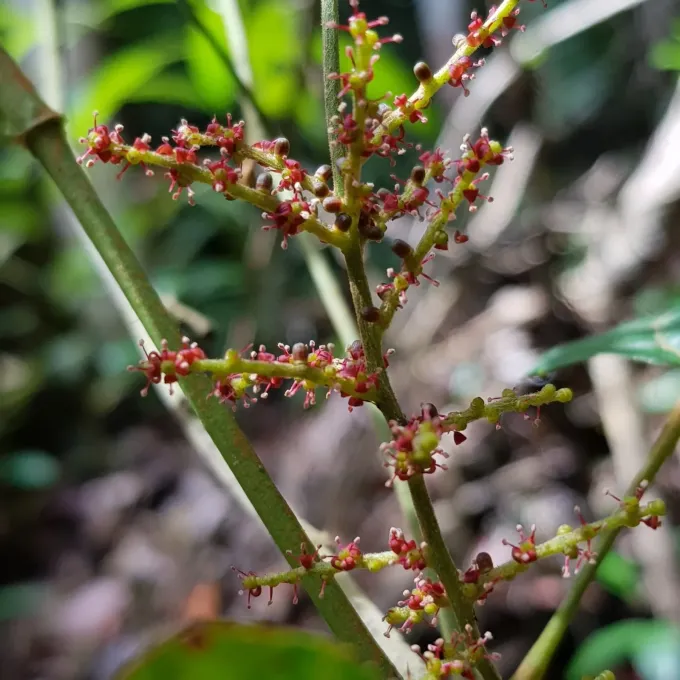
Description
Growing requirements
Ampelocissus gracilis is a perennial climbing plant belonging to the Vitaceae family. Native to the tropical regions of Asia, this vine thrives in humid forest environments, utilizing large trees as natural supports to reach the canopy layer.
The culture requires a tropical climate to grow effectively. It is highly sensitive to frost and cold stress, necessitating stable temperatures that rarely drop below 15-18 degrees Celsius throughout the entire growth cycle.
Regarding soil requirements, the plant prefers well-draining, nutrient-rich substrates that mimic forest floor conditions. Proper aeration of the root system is essential, as the plant cannot tolerate waterlogged conditions which often lead to immediate decay.
Agricultural management involves providing sturdy vertical structures for the vine to climb. Consistent moisture levels, combined with high ambient humidity, are critical for maintaining the turgor and vitality of the large, ornamental leaves characteristic of this species.
The primary use of Ampelocissus gracilis is horticultural, specifically for vertical landscaping in greenhouses, conservatories, or outdoor gardens in tropical climates. Its elegant growth habit makes it a prized specimen for controlled environments.
Main diseases and pests
The most significant threats to Ampelocissus gracilis in cultivation include infestations of spider mites, which thrive in low-humidity environments often found in indoor settings.
Root rot caused by fungal pathogens such as Pythium or Phytophthora is a major risk factor if irrigation management is poor or if the potting medium lacks adequate drainage.
Mealybugs and scale insects may also infest the stems and undersides of leaves, requiring regular scouting and the application of appropriate systemic or contact pesticides.
Powdery mildew can manifest during periods of poor air circulation, necessitating the use of fans or proper spacing between individual plants to prevent moisture accumulation.
Maintaining a balanced nutritional regime is vital, as micronutrient deficiencies can quickly manifest as chlorosis, weakening the vine and making it more susceptible to opportunistic diseases.