
Ampelocissus africana
Ampelocissus africana
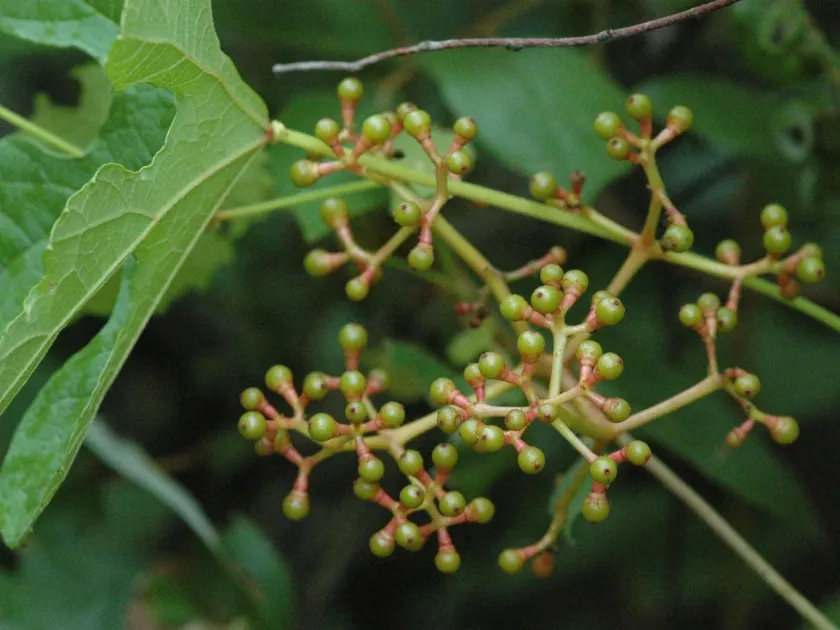
Description
Sowing dates
Propagation of Ampelocissus africana is typically achieved through seeds or semi-hardwood cuttings. Sowing should take place in early spring using a well-draining, nutrient-rich potting medium to ensure healthy seedling development.
Seeds require high humidity and consistent temperatures, ideally between 22 and 26 degrees Celsius, to break dormancy. Using a heating mat under the seed trays can significantly improve germination rates.
Stem cuttings should be taken during the active growing season, focusing on healthy, mature sections of the vine. Once treated with rooting hormones, cuttings are placed in a humid environment to promote root formation.
Transplanting seedlings to their final location requires care to avoid disturbing the fragile root system. It is best to perform this process in the evening or on a cloudy day to prevent transplant shock.
Proper spacing is crucial for this vigorous vine. Providing at least 2.5 meters between plants allows for adequate foliage development and prevents overcrowding, which is vital for long-term plant health.
Growing requirements
Belonging to the Vitaceae family, Ampelocissus africana is a perennial vine native to tropical Africa. It thrives in humid environments and prefers a stable tropical or subtropical climate throughout its life cycle.
The plant grows best in fertile, loamy soil with excellent drainage. While it enjoys consistent moisture, it is highly sensitive to waterlogged conditions, which can quickly lead to root decay.
Regarding light, this species prefers bright, filtered sunlight. Excessive direct exposure, especially in the heat of the afternoon, can cause leaf scorch and disrupt the plant's metabolic processes.
Temperatures should be kept above 18 degrees Celsius. The vine is not frost-tolerant, meaning it must be moved indoors or kept in a climate-controlled greenhouse in regions with cold winters.
As a climbing plant, it requires a robust support system such as a trellis or fence. The vine uses tendrils to anchor itself, so vertical structures should be installed early to guide its natural growth pattern.
Main diseases and pests
The most common pests affecting this plant are spider mites and mealybugs, which thrive in low-humidity conditions. Regular misting can act as a deterrent for these common indoor and greenhouse pests.
Fungal issues, including powdery mildew, frequently occur when the plant is kept in areas with poor airflow or excessive overhead watering, especially during the humid summer months.
Root rot is the most dangerous condition for Ampelocissus africana, caused primarily by poor soil drainage and over-irrigation. Symptoms include wilting leaves and dark, mushy stems near the base.
Preventative measures include maintaining clear space between plants, using sterilized gardening tools to prevent the spread of pathogens, and applying fungicides when humidity is exceptionally high.
Integrated pest management, including the use of neem oil or insecticidal soaps, is recommended for controlling infestations without damaging the foliage of the plant.