
Ampelocissus acetosa
Ampelocissus acetosa
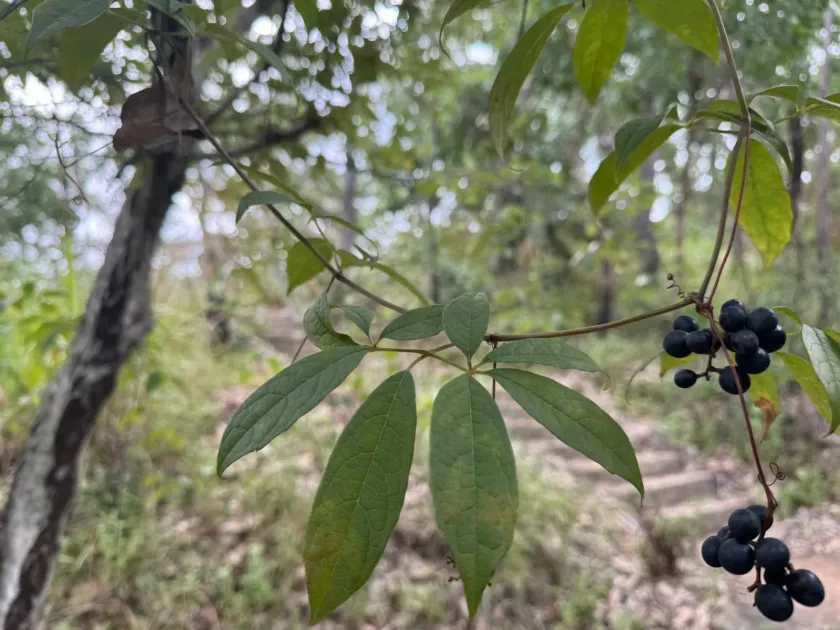
Description
Growing requirements
Ampelocissus acetosa is a robust perennial climber belonging to the Vitaceae family, native to the tropical regions of Australia and Southeast Asia.
This species thrives in warm, humid tropical environments and requires a frost-free climate to maintain its vigorous growth throughout the year.
The plant prefers well-draining, nutrient-rich soil compositions that allow its extensive root system to develop without the risk of waterlogging.
Strong vertical support, such as trellises or sturdy host trees, is essential for the vine to expose its foliage to adequate sunlight for photosynthesis.
It displays a clear seasonal rhythm, often entering a dormancy phase in response to prolonged drought, during which energy is stored in subterranean tubers.
Yield
The primary economic and nutritional interest in this species lies in its edible tuberous roots, which have served as a traditional food source for centuries.
The berries produced by the vine are also edible, characterized by a sharp, acidic flavor that explains the specific epithet acetosa.
Harvesting efficiency is maximized when the plant reaches maturity, allowing for a substantial yield of starch-rich roots suitable for various culinary preparations.
In traditional practices, the tubers are typically roasted or processed to remove naturally occurring bitter compounds before consumption.
Beyond human consumption, the plant possesses significant potential for sustainable landscaping and as a genetic resource for tropical viticulture.
Main diseases and pests
Fungal infections, such as powdery mildew, represent a significant risk to the foliage, particularly in areas with poor airflow and high ambient humidity.
Sap-sucking insects and leaf-miners can cause aesthetic and physiological damage, potentially reducing the overall vigor of the climbing plant.
Good agricultural practice emphasizes spacing and sanitation to prevent the spread of diseases and to encourage rapid drying of foliage after rainfall.
Soil-borne nematodes can pose a danger to the root system, necessitating careful monitoring of soil health and the use of healthy propagation material.
Consistent manual inspection and timely removal of infected plant parts are the most effective strategies for maintaining a healthy crop in field conditions.