
Ampelocissus polythyrsa
Ampelocissus polythyrsa
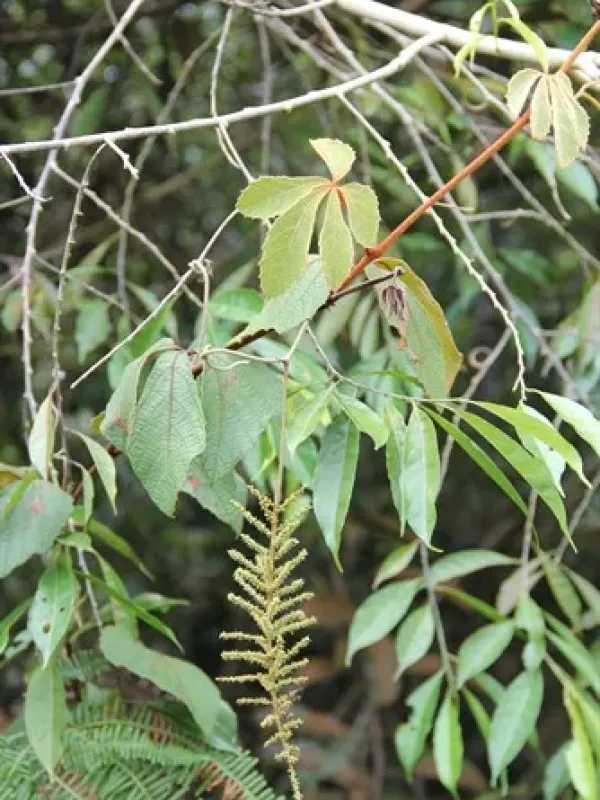
Description
Growing requirements
Ampelocissus polythyrsa is a woody vine belonging to the Vitaceae family, native to the tropical regions of Southeast Asia. In its natural habitat, it thrives in high-humidity forest ecosystems, demonstrating robust growth in warm, frost-free environments.
The plant requires high average temperatures, ideally between 22 and 28 degrees Celsius, to maintain active physiological processes. Commercial production is restricted to tropical and sub-tropical regions due to the plant's high sensitivity to chilling injury.
Soil composition must be rich in organic matter and possess excellent drainage characteristics. The root system is prone to hypoxia; therefore, planting on raised beds or in highly porous soil mixes is essential to prevent waterlogging and subsequent root decay.
Light requirements involve consistent exposure to bright, filtered light. While mature vines can tolerate partial shade, optimal vegetative growth and photosynthesis occur in locations with high light intensity, provided the plant is protected from direct midday sun.
The implementation of vertical support systems is a core requirement of this crop's agronomy. Due to its climbing habit, the use of trellis structures is necessary to facilitate proper vine training, increase airflow, and simplify harvest operations.
Main diseases and pests
Spider mites represent a major threat to Ampelocissus polythyrsa, particularly during periods of low atmospheric humidity. Regular monitoring and the maintenance of optimal air humidity levels are the primary cultural methods for mite suppression.
Mealybugs and scale insects may also colonize the vines, utilizing the sap of the plant as a food source. Integrating horticultural oils or specific systemic insecticides can effectively mitigate the damage if infestations occur during the growing season.
Fungal pathogens, including various leaf spot diseases and root rot agents, are prevalent in poorly ventilated and overly moist conditions. Improving canopy ventilation through strategic pruning is a crucial management practice for disease prevention.
Anthracnose can severely affect both leaves and fruit stalks during prolonged periods of rain. Applying preventative fungicide treatments, strictly adhering to safety intervals, helps maintain plant health during high-risk seasons.
Regular sanitation measures, including the disposal of fallen leaves and infected plant parts, are vital to break the life cycles of typical pests and pathogens within the plantation environment.