
Ampelocissus multistriata
Ampelocissus multistriata
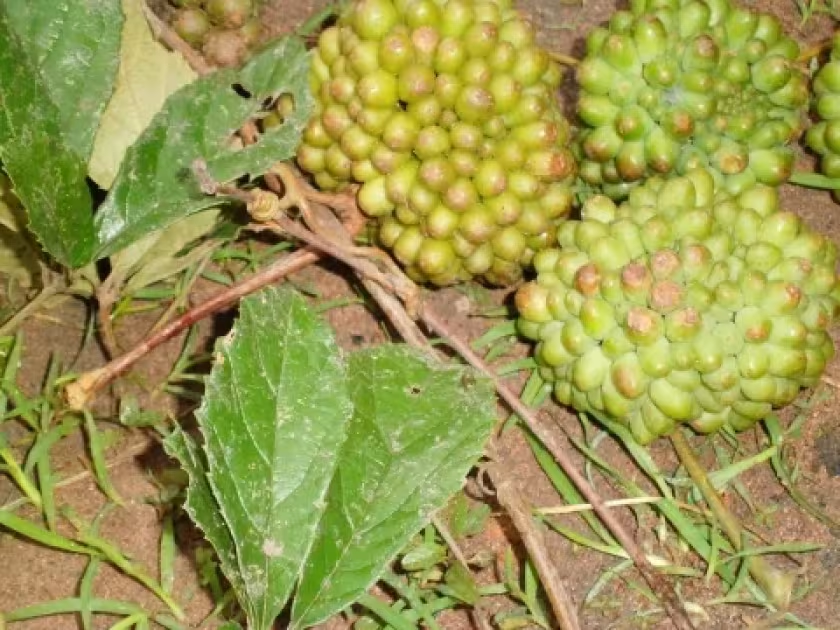
Description
Growing requirements
Ampelocissus multistriata is a perennial climbing plant belonging to the Vitaceae family, native to the tropical and subtropical regions of Southeast Asia and China.
The plant is known for its vigorous growth and distinctive foliage, which requires sturdy supports or trellises to mimic its natural habit of climbing over forest structures.
Success in cultivation depends on providing a well-draining, nutrient-rich potting mix and maintaining a consistent moisture level throughout the growing season.
It thrives in warm, humid conditions with temperatures ideally between 20°C and 28°C. Protecting the plant from cold drafts and direct, scorching sunlight is essential for leaf health.
In ornamental horticulture, this species is highly regarded for its aesthetic value in glasshouses, conservatories, and as an architectural element in interior design projects.
Main diseases and pests
The primary pests affecting Ampelocissus multistriata include spider mites and mealybugs, which are particularly common in indoor environments with low humidity.
Fungal issues, such as leaf spot or root rot, may develop if the soil remains waterlogged or if there is inadequate air circulation around the foliage.
Regular maintenance, including misting the leaves and ensuring proper drainage, significantly reduces the likelihood of pest infestations and disease outbreaks.
If an infestation occurs, manual removal of pests or the application of organic-based insecticidal soaps is recommended as the first line of defense.
To ensure long-term health, growers should practice sterile potting techniques and maintain strict hygiene when pruning dead or damaged plant tissue.