
Ampelocissus martini
Ampelocissus martini
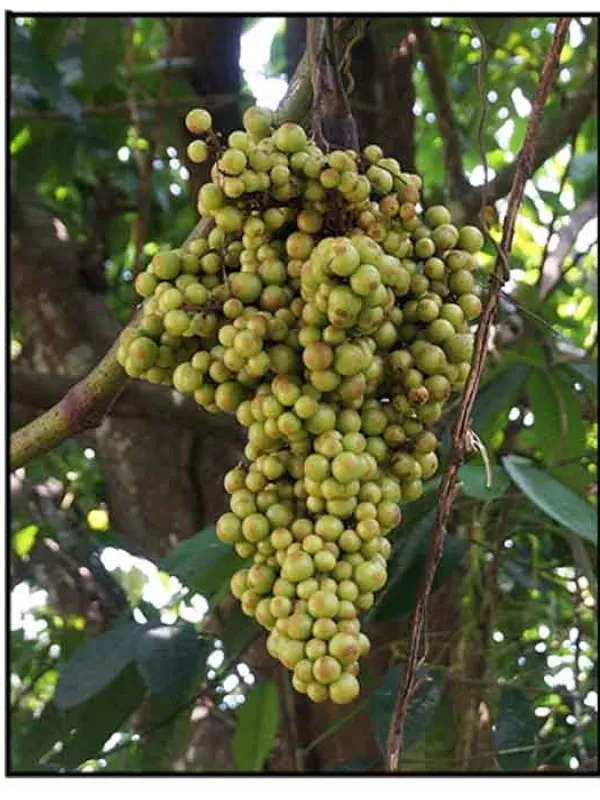
Description
Growing requirements
Ampelocissus martini is a notable member of the Vitaceae family, representing a woody vine species native to the tropical regions of Southeast Asia. It thrives in high-humidity environments, typically found in dense forests where it climbs towards the canopy to capture sunlight.
Climate requirements for this culture are strictly tropical, necessitating high and consistent temperatures throughout the year. The species is not frost-tolerant and requires protection from cold winds, making it suitable primarily for greenhouses or warm climate agricultural zones.
Regarding soil, Ampelocissus martini prefers well-drained, nutrient-rich substrates that mimic the floor of a tropical rainforest. It is essential to ensure that the medium does not become compacted or waterlogged, as this can easily lead to root system degradation and susceptibility to pathogens.
Agricultural management requires the installation of sturdy trellis systems or support structures to accommodate the vigorous vegetative growth of the vine. Pruning should be performed periodically to manage the canopy density and to ensure that energy is redirected towards healthy shoot development.
The economic value of this plant is largely centered on its traditional use in ethnomedicine and its potential as an ornamental plant in tropical landscaping. Due to its unique botanical structure and resistance to various local conditions, it remains a subject of study for potential biochemical applications.