
Maiden leek
Allium virgunculae F. Maek. & Kitam.
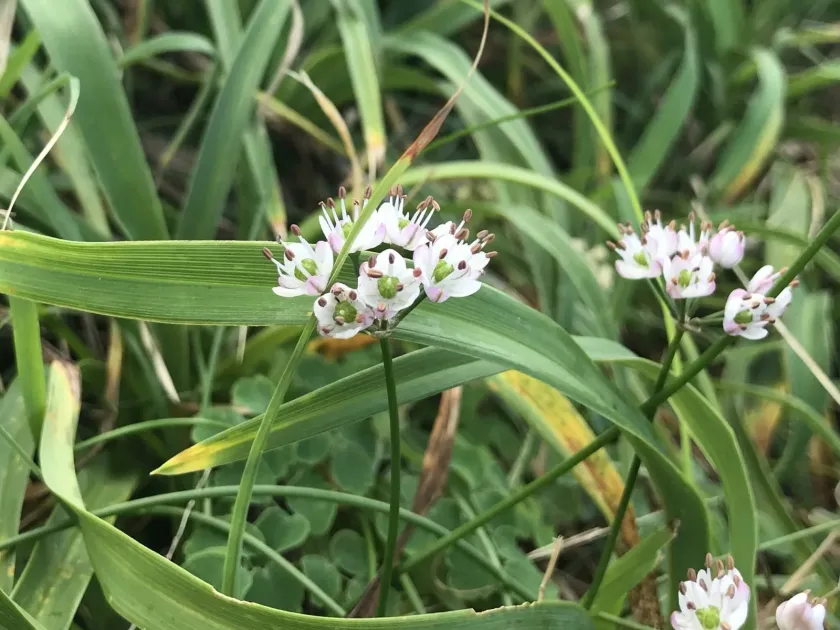
Description
Sowing dates
The Maiden leek (Allium virgunculae) belongs to the Amaryllidaceae family. It is a rare, perennial bulbous plant often cultivated for its aesthetic value in specialized gardens rather than for commercial food production.
Propagation is typically achieved through seeds or by dividing established clumps. Sowing seeds in autumn allows for natural cold stratification, which significantly improves germination rates when temperatures rise in spring.
The sowing medium should be well-draining, such as a mix of grit and compost. Seeds are sown shallowly, as they need minimal cover to establish themselves in the initial growth phase.
Vegetative division should be performed during the plant's dormant period. Careful separation of bulbs helps maintain the vigor of the parent plant while allowing for the expansion of the collection.
Originating from rocky habitats in Japan, the species has evolved to thrive in specific environmental niches, which dictates its preference for mineral-rich, porous substrates.
Growing requirements
The plant requires full sun to partial shade for optimal growth. High light intensity is crucial to ensure that the stems remain compact and the flowering performance remains consistent.
Soil requirements are strict regarding drainage. It thrives in gritty, sandy loam soils where water does not pool around the bulb, preventing the physiological stress associated with waterlogging.
Watering should be managed carefully. While moderate moisture is essential during the active spring growth phase, the plant requires a drier environment during its summer dormancy to mimic its native habitat conditions.
The Maiden leek is relatively hardy but benefits from a mulch layer in regions with harsh winters. This protects the shallow bulbs from severe frost heaving and fluctuating temperatures.
In ornamental horticulture, the species is highly valued for rock gardens and pots. Its distinct size and delicate floral clusters make it a desirable choice for collectors of rare Allium species.
Main diseases and pests
Primary threats include fungal pathogens such as Fusarium and Botrytis, which thrive in poorly ventilated or excessively damp conditions. Proper site selection is the best preventative strategy.
Pests like onion flies and aphids can cause damage during the growing season. Early detection and the application of mild horticultural oils or integrated pest management techniques are recommended.
Poor airflow between plants can exacerbate humidity-related issues. Providing sufficient space between specimens ensures healthy development and reduces the risk of leaf spot diseases.
To minimize disease impact, gardeners should ensure that the bulbs are not planted too deeply and that the planting site has been cleared of pathogens from previous crops.
Regular monitoring of foliage during the spring is advised to address any localized infestations before they become systemic across the entire cluster of plants.