
Victory onion
Allium victorialis L. subsp. platyphyllum Hultén
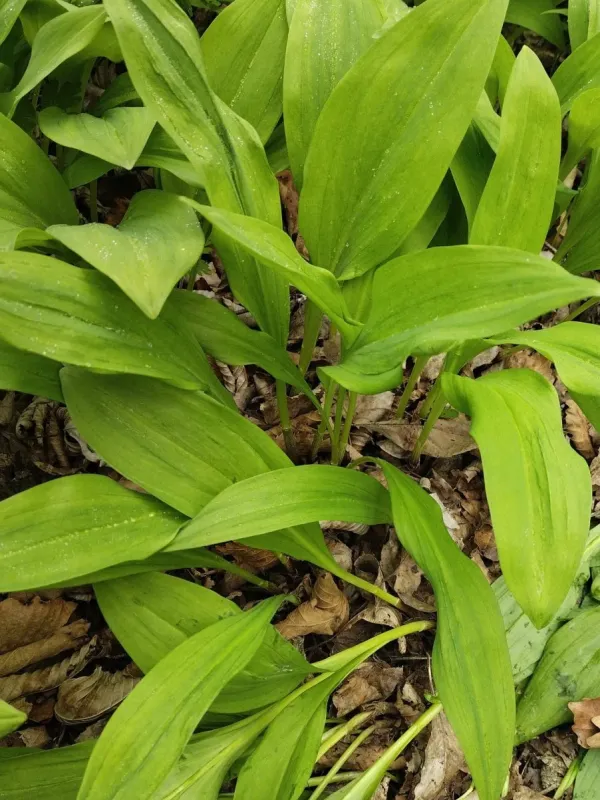
Description
Sowing dates
Allium victorialis, commonly known as the Victory onion or alpine leek, is a resilient perennial belonging to the Amaryllidaceae family. The seeds possess a deep dormancy and require a cold stratification period of 3 to 4 months at temperatures between 0 and 5 degrees Celsius to achieve successful germination.
The most effective method for sowing is planting seeds outdoors in late autumn. Winter conditions provide the necessary cold treatment naturally, allowing the seeds to germinate promptly as soon as the soil begins to warm up in early spring.
Spring sowing is less reliable unless the seeds have been artificially stratified in a controlled environment. Seeds should be sown in rows, spaced 20–30 cm apart, and covered with a light layer of soil, not exceeding 1.5 cm in depth to ensure optimal emergence.
Vegetative propagation via root division is a preferred method for commercial cultivation. Dividing clumps in late summer allows the plants to establish a robust root system before the onset of winter dormancy.
During the first year of growth, seedlings are notoriously slow to develop, focusing their energy on building a small bulb. Maintaining a weed-free environment during this initial phase is critical for the long-term survival of the plantation.
Growing requirements
Victory onion is a woodland species that thrives in moist, shaded conditions. It performs best when planted under the canopy of deciduous trees or in areas where it is protected from intense, direct sunlight during the peak of the day.
The ideal soil is rich in organic matter, loose, and well-drained, with a pH ranging from neutral to slightly acidic. While the plant appreciates consistent soil moisture, standing water must be avoided to prevent root decay.
This crop is exceptionally hardy and capable of surviving harsh winters, making it suitable for temperate and alpine regions. It thrives in cool climates, with optimal leaf development occurring between 15 and 20 degrees Celsius.
In regions with high solar radiation, artificial shading is often employed to mimic the natural forest floor environment. This helps prevent the leaves from becoming tough and fibrous, thereby preserving their culinary quality.
Regular mulching with compost or leaf mold is recommended to maintain soil moisture and provide a slow-release source of nutrients. This mimics the natural litter found in its native habitat and supports vigorous foliage production.
Main diseases and pests
Fungal diseases, particularly rust and downy mildew, are the primary threats to Victory onion plantations, especially when humidity levels remain high for extended periods. Adequate plant spacing is essential to promote airflow and mitigate these risks.
Pests such as the onion maggot and onion leaf miner can cause significant damage to the roots and foliage. Integrated pest management strategies, including crop rotation and the removal of crop debris, are recommended to maintain plant health.
Soil-borne pests like wireworms or white grubs can compromise the integrity of the root system, weakening the plant. Regular monitoring of the soil and maintaining healthy, aerated conditions can help minimize these infestations.
Viral infections may manifest as distorted leaves or mottled patterns. Since these infections cannot be treated, it is imperative to promptly remove and dispose of any symptomatic plants to prevent the spread of the virus throughout the planting.
Chemical control should be used sparingly and only as a last resort, prioritizing organic fungicides or biological agents to ensure the product remains safe for culinary and medicinal consumption.
Harvesting
The harvest of Victory onion leaves occurs in early spring, as soon as the plants show active growth but before the flower stalks begin to emerge. Harvesting at this stage ensures the leaves are at their most tender and flavorful.
Leaves are typically harvested by cutting them 2–3 cm above the soil surface. Care must be taken not to damage the crown of the plant, as this is vital for ensuring the plant’s ability to regrow in the subsequent season.
For seed production, a portion of the patch should be left entirely undisturbed. The harvest of seeds takes place once the seed capsules have turned dark brown, indicating full physiological maturity.
Post-harvest, the foliage is highly perishable due to its essential oil content. Immediate cooling or processing, such as drying or pickling, is necessary to preserve the quality and extended shelf life of the harvested material.
Beyond its culinary uses, Allium victorialis is highly valued for its medicinal properties, traditionally used to treat various ailments. Its nutritional profile, rich in Vitamin C and antioxidants, makes it a valuable crop for sustainable agriculture.