
Tunceli garlic
Allium tuncelianum (Kollmann) Özhatay et al.
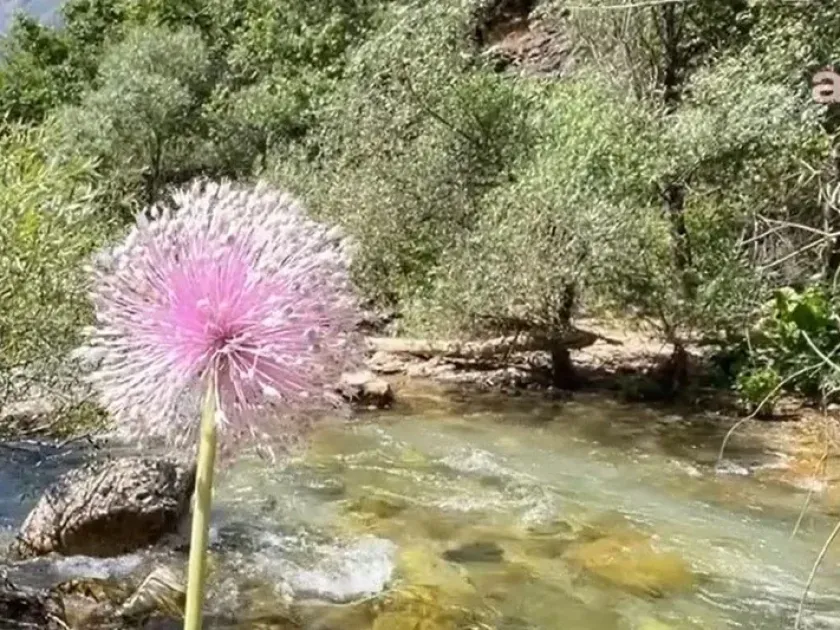
Description
Growing requirements
Tunceli garlic (Allium tuncelianum) is a rare bulbous perennial plant belonging to the Amaryllidaceae family. It is a highly localized endemic species, naturally occurring in the rocky mountain slopes of the Tunceli province in Turkey.
This crop thrives in well-drained, stony, or sandy loam soils with a neutral pH. Due to its adaptation to high-altitude environments, it requires an environment that prevents waterlogging, which is critical to avoid bulb rot.
The plant necessitates full sun exposure for optimal photosynthesis and energy accumulation in the bulbs. Its developmental cycle is strictly dictated by seasonal changes, favoring a period of cool dormancy followed by an active spring growth phase.
Regarding climate, this species exhibits remarkable cold hardiness, having evolved in regions with harsh, snowy winters. It is also drought-tolerant once established, making it suitable for xeriscaping or specialized vegetable gardening.
In terms of botany, it features a singular, dense bulb and narrow, grass-like leaves. The plant's energy is efficiently stored, allowing it to rapidly emerge and bloom when the mountain snow begins to melt.
Harvesting
The primary use of Tunceli garlic is culinary, where it is highly prized for its unique, mild garlic flavor. Unlike commercial garlic, it offers a more delicate profile, often used as a specialty ingredient in local regional dishes.
Harvesting typically occurs when the foliage begins to wither and yellow, signaling the end of the growth cycle. The bulbs should be carefully lifted from the soil to avoid any physical damage to the protective outer tunics.
Post-harvest treatment involves curing the bulbs in a dry, ventilated area out of direct sunlight. This process is essential to harden the skin and ensure the bulbs remain viable for consumption or replanting throughout the winter.
Given its status as an endemic and rare species, sustainable harvesting practices are strongly encouraged. Cultivators often rotate planting sites to maintain soil health and prevent the buildup of soil-borne pathogens in the production area.
Storage requirements are straightforward: a cool, dark, and dry environment is optimal. If kept in these conditions, the bulbs can retain their flavor and culinary quality for a significant period before the next planting season.