
Allium senescens
Allium senescens L. x A. tanguticum Regel
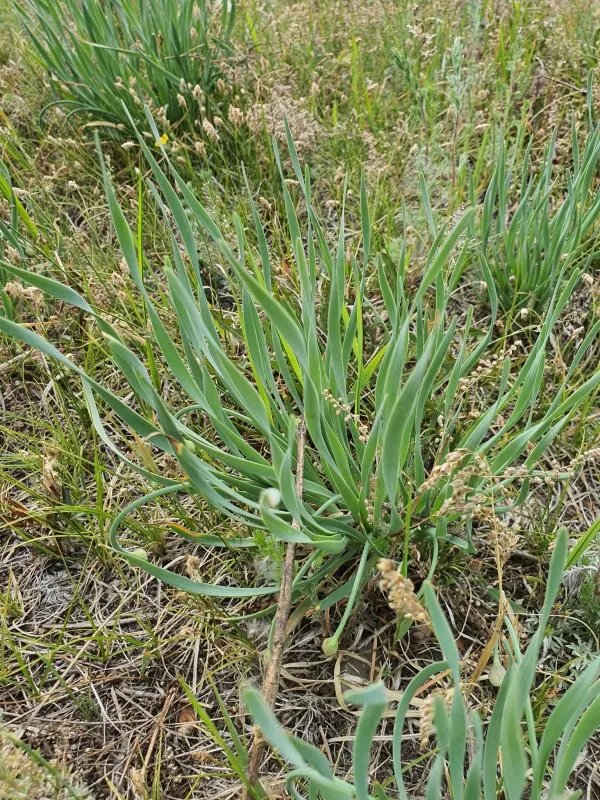
Description
Sowing dates
Allium senescens, commonly known as broad-leaved chives or mountain garlic, is a perennial plant of the Amaryllidaceae family. It is typically sown in early spring when soil temperatures reach 8-10 degrees Celsius.
Seeds should be planted at a depth of 1.5 to 2 centimeters. Rows need to be spaced 30-40 centimeters apart to accommodate the plant's wide, spreading basal rosette of leaves.
Vegetative propagation by dividing established clumps is the most common and effective method for both home gardeners and commercial growers.
Division is best performed in early spring as growth resumes or in late August, allowing the plants to establish before the winter dormancy period begins.
Transplanting seedlings started indoors is also a viable option to ensure higher germination rates and more robust initial development during the first growing season.
Growing requirements
This species is highly adaptable and thrives in sunny, well-ventilated locations that receive at least six hours of direct sunlight per day.
Well-draining, fertile loamy soils are ideal. While the plant can tolerate various soil conditions, it performs best in neutral to slightly alkaline environments.
Good drainage is crucial to prevent root rot, as the fleshy root system is susceptible to decay in consistently waterlogged or heavy clay conditions.
The plant is exceptionally hardy and drought-tolerant, capable of surviving harsh winters and periods of limited moisture without special protection.
Moderate irrigation during the active growth phase is recommended to maintain succulent leaf growth and improve the overall yield of the green biomass.
Main diseases and pests
Onion maggots are the primary insect pest, as their larvae can cause significant damage to the basal plate, leading to stunted growth or plant death.
Downy mildew may occur in humid, stagnant conditions, appearing as greyish patches on leaves and potentially reducing the photosynthetic capacity of the plant.
Thrips can also infest the foliage during hot, dry spells, resulting in silvering or curling of the leaves and a general decline in aesthetic and culinary quality.
Rust fungus can affect the foliage later in the season, particularly when high humidity is combined with temperature fluctuations in the late summer.
Integrated pest management, including regular weeding and maintaining proper spacing between plants, is essential for minimizing the risk of disease outbreaks.
Harvesting
The harvest of green leaves begins when they reach a height of 20-25 centimeters, typically starting in late May and continuing throughout the summer.
Leaves should be harvested using clean, sharp tools, ensuring that the central growing point remains intact to support continued production of foliage.
The flavor is mildly garlicky, making it an excellent addition to salads, soups, and various culinary dishes where a delicate onion aroma is desired.
For storage, the leaves can be chopped and frozen or dried, although fresh consumption provides the highest concentration of volatile compounds and vitamins.
In ornamental settings, the plants are often left unharvested to showcase their distinct, purple-pink inflorescences that appear in the mid-to-late summer months.