
Siberian chive
Allium senescens L. subsp. senescens x A. tanguticum Regel
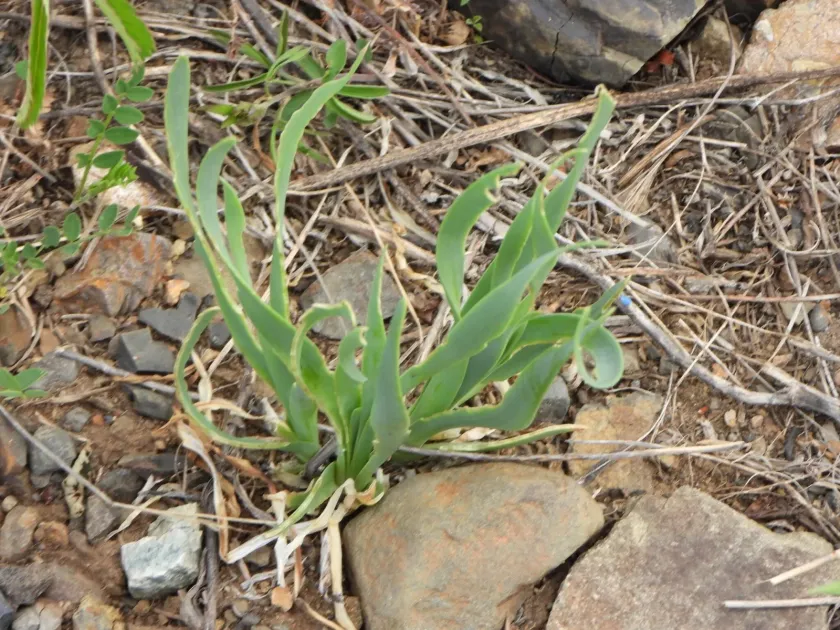
Description
Sowing dates
Sowing Siberian chive (Allium senescens) is best done in late autumn or early spring. The seeds are resilient and germinate well, but cold stratification can significantly improve the uniformity of sprouting when sown before winter.
For spring sowing, place the seeds about 1 to 1.5 cm deep in well-tilled soil. Maintain a spacing of 30–40 cm between rows to ensure that the perennial clumps have enough room to expand over the coming years without overcrowding.
As a long-lived perennial, this species thrives in one location for 5–7 years before needing division. The time from sowing to the first harvest of greens typically spans about 90 to 110 days, depending on local temperatures.
Vegetative propagation is a highly effective method for expansion. By dividing mature clumps in early spring or late August, gardeners can easily increase their planting area while rejuvenating older, woody central parts of the root system.
During the initial growth stage, consistent soil moisture is crucial. Weeding is essential, as young seedlings compete poorly with fast-growing invasive weeds in the early weeks of development.
Growing requirements
Belonging to the Amaryllidaceae family, Siberian chive originates from the rocky, steppic regions of Siberia, Mongolia, and Northern China. This heritage makes it naturally tolerant of harsh, variable climates and poor soil conditions.
Choose a sunny location for cultivation. While the plant can survive in partial shade, full sun exposure is necessary to maintain the dense, ornamental structure of the leaves and ensure optimal flavor profile and health.
The ideal soil for this species is sandy or loamy with a neutral to slightly alkaline pH. Drainage is the most important factor; the plant will not tolerate waterlogged soil, which often leads to root rot in poorly drained areas.
Hardiness is one of this onion's greatest assets. It is exceptionally resistant to deep freezes and handles rapid temperature fluctuations typical of continental climates with ease, making it a reliable choice for cold-climate gardens.
Fertilization should be handled with care. A balanced mineral fertilizer applied in early spring is sufficient. Avoid high-nitrogen organic manures, as they can encourage excessive leaf growth at the expense of root health and disease resistance.
Yield
Siberian chive is a productive crop that offers several harvests throughout the growing season. Its unique growth pattern allows it to regenerate quickly after cutting, providing a steady supply of greens from early spring to late autumn.
Under optimal management, growers can expect an average yield of 1.5–2 kg of fresh leaves per square meter per season. The greens are valued for their mild, garlic-like flavor and lack of intense bitterness.
Beyond the leaves, the thickened, fleshy rhizomes are also edible and contribute to the plant's overall yield value. These are often harvested when dividing the clumps, providing an additional culinary harvest for the gardener.
Peak productivity is usually achieved when the plant is 3–4 years old. After this point, the center of the clump may begin to thin or decline, signaling the need for division to maintain high annual yields.
This crop is increasingly recognized as a valuable niche product for small-scale farming, catering to markets that demand gourmet greens with high concentrations of antioxidants and vitamins.
Main diseases and pests
The onion fly is the most significant pest for this crop, as larvae can damage both foliage and rhizomes. Integrating crop rotation and using targeted insecticide applications during peak flight periods are effective management strategies.
Aphids and thrips may become a problem during hot, dry spells. Keeping the plants healthy with proper irrigation usually keeps infestation levels manageable, but biological soaps can be used if pest populations cross the economic threshold.
Downy mildew (peronospora) is a common fungal threat in humid, stagnant conditions. Ensuring good air circulation and planting with adequate spacing are the best preventative measures against fungal spread.
Rust can occur in cool, wet environments. To mitigate this risk, keep the foliage dry by watering at the base rather than overhead, and ensure the soil is well-drained to keep the immediate environment unfavorable for pathogens.
Proactive garden hygiene is the first line of defense. By removing plant debris and keeping the beds clear of weeds, you reduce the overwintering sites for pests and minimize the inoculum for common fungal infections.
Harvesting
Harvesting should be done selectively by cutting the most robust leaves when they reach 15–20 cm in height. Always use sharp shears to ensure a clean cut, which helps the plant heal and regrow more effectively.
The best time to harvest is in the cool of the morning, ensuring the leaves are turgid and contain the maximum amount of nutrients and flavor. Proper harvesting timing significantly extends the shelf life of the produce.
For long-term storage, the leaves can be frozen or dehydrated. Siberian chive retains its aromatic profile well through these processes, making it a convenient pantry staple for seasoning various soups and sauces.
If you intend to collect seeds, allow the most vigorous scapes to remain until late summer. Harvest the heads just as they turn brown but before they naturally shatter and disperse the seeds throughout the garden.
At the end of the season, a light cleanup of dead foliage is recommended. Removing these materials helps prepare the plant for dormancy and prevents unwanted pests from sheltering in the garden bed during the winter months.