
Senescent onion
Allium senescens L. subsp. montanum (Pohl) Janch. ex Soó
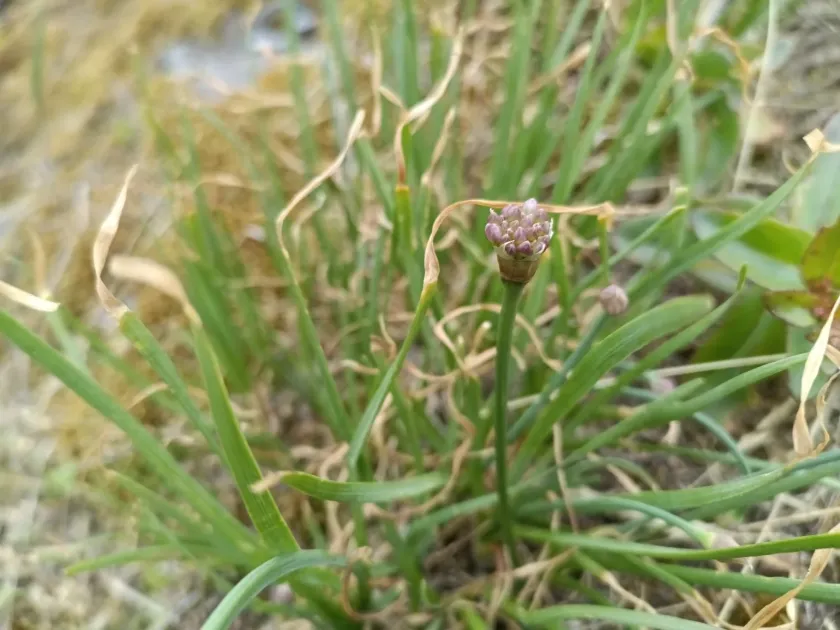
Description
Sowing dates
The senescent onion, belonging to the Amaryllidaceae family, is primarily propagated vegetatively by dividing the clumps in early spring or late autumn. While seed propagation is possible, it typically requires a period of cold stratification lasting one to two months to ensure successful germination.
When sowing seeds directly into the open ground, the best time is between April and May, once the soil has reached a temperature of at least 10 degrees Celsius. Seeds should be planted at a shallow depth of 1-2 centimeters, maintaining consistent soil moisture until the sprouts emerge.
Starting plants in containers is often preferred to ensure more robust growth before moving them to their permanent garden spot. Seeds should be sown in March into a well-draining, nutrient-rich substrate, providing ample light to prevent the seedlings from becoming weak or leggy.
Seedlings are ready for transplantation once they have developed 3-4 true leaves. They should be spaced approximately 25 to 30 centimeters apart, allowing sufficient space for the root system to expand and for the plant to produce its signature globe-shaped flowers in the coming years.
This species is highly cold-hardy, meaning autumn planting is safe in temperate regions provided the soil is properly mulched. Dividing mature clumps is best performed in late August or September, giving the divisions enough time to re-establish their roots before the first deep winter freeze.
Growing requirements
The senescent onion thrives in well-draining soil types, specifically preferring loamy or sandy soils with a neutral pH level. Standing water is detrimental to the roots, so it is essential to ensure good drainage, either by planting on raised beds or by amending heavy clay soils with sand or organic matter.
This plant is a heliophile and performs best in full sunlight, which is necessary for vigorous foliage growth and quality blooming. Shade or poor lighting conditions can lead to lackluster foliage and a significant reduction in the plant's overall vitality and nutritional value.
Organic fertilizers such as compost or well-rotted manure applied during autumn preparation are highly beneficial. Supplementing with potassium and phosphorus-based mineral fertilizers during the active growing season strengthens the plant's tissues, making it more resilient against environmental stress.
While the senescent onion is remarkably drought-tolerant due to its succulent, water-storing leaves, supplemental watering during prolonged dry spells is recommended to improve the succulence of the leaves and boost the overall harvest yield.
The plant adapts easily to the temperature fluctuations found in its native Eurasian steppe and rocky environments. It requires no special winter protection, as it is naturally evolved to survive harsh freezing conditions without sustaining damage to its dormant underground bulbs.
Main diseases and pests
The main threats to this culture are fungal diseases, such as powdery mildew or rust, which typically develop in conditions of high humidity or poor air circulation. These pathogens affect the foliage, reducing both the aesthetic appeal and the harvest quality of the plant.
Common pests include the onion maggot and certain species of weevils, which can damage the bulbs and the base of the stems. Early identification and consistent crop rotation are vital strategies to prevent these pest populations from becoming established within the garden area.
Maintaining a weed-free environment and regular shallow cultivation of the soil around the plants helps disrupt the life cycle of soil-borne pests. By ensuring the area is clear of debris, the risk of pathogen buildup and pest infestation is kept to a manageable minimum.
If signs of rot appear on the bulbs, infected plants must be removed immediately along with the surrounding soil. Chemical pesticides should be used as a last resort, given that the foliage of the senescent onion is frequently consumed as a fresh green vegetable.
Prevention remains the most effective management strategy. By providing adequate plant spacing, promoting airflow, and practicing careful irrigation, most health issues can be avoided, allowing the plants to remain healthy throughout their multi-year lifespan in the garden.
Harvesting
The harvest of the leaves begins in early spring as soon as they reach a height of 15-20 centimeters. Careful harvesting involves cutting the outer leaves while leaving the center growing point intact, which encourages the plant to produce a continuous supply of fresh greens.
The young leaves are prized for their mild garlic-onion flavor and high vitamin C content, making them an excellent addition to fresh salads. As the leaves mature, they become tougher and more pungent, so early harvesting is key to maintaining the best culinary quality.
For medicinal purposes or long-term storage, the aerial parts of the plant should be collected during the peak flowering stage. Drying should be carried out in a cool, shaded, and well-ventilated location to preserve the plant's essential nutrients and flavor profile.
When the goal is to harvest the bulbs for propagation, they should be dug up in autumn after the leaves have naturally withered. They should be cleaned, dried, and stored in a cool, dark environment using dry sand or peat moss until the following spring planting season.
As a perennial species, the senescent onion can provide a consistent harvest for 5 to 7 years in the same location. After this time, it is recommended to rejuvenate the patch by dividing the clumps and moving them to a fresh area with enriched soil to maintain vigor.