
Nutans onion
Allium nutans L. x Allium senescens L.
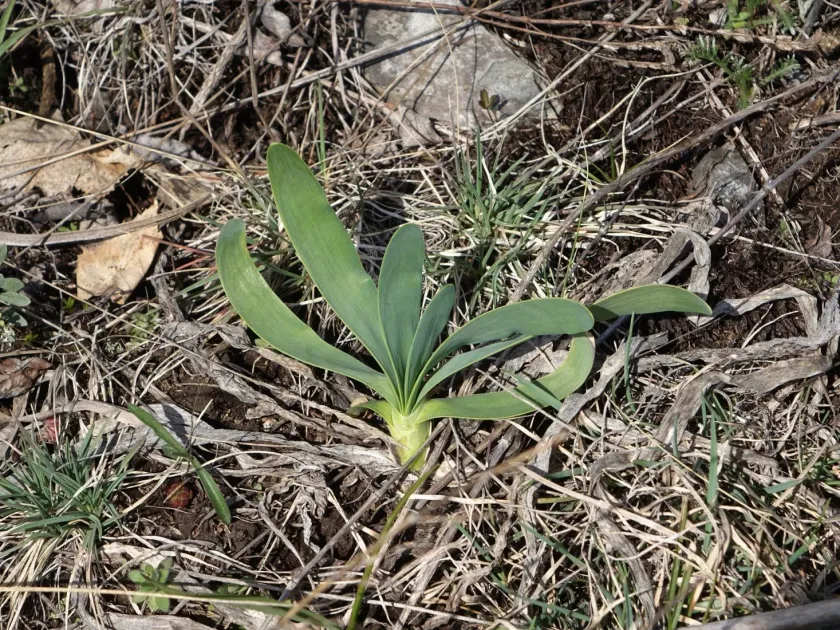
Description
Sowing dates
Nutans onion (Allium nutans), also known as nodding onion, is a hardy perennial belonging to the Amaryllidaceae family, prized for its flat, succulent leaves.
Propagation is typically carried out by sowing seeds in early spring or by dividing established clumps in late summer or early spring.
Seeds should be sown at a depth of 1-1.5 cm in rows spaced 30-40 cm apart to provide enough room for the plant to spread its rhizomatous roots.
Seedlings grow slowly in the first year, focusing on root system development, while mature plants show vigorous growth from the second season onwards.
Dividing the mother plant is the most effective way to multiply the crop quickly, ensuring the new sections have sufficient roots and healthy leaf tissue.
Growing requirements
This species is exceptionally cold-hardy and drought-tolerant, naturally adapted to rocky terrains and open steppes of Siberia and Central Asia.
It performs best in well-drained, fertile soil with a neutral pH, as overly saturated ground can lead to root rot during dormant seasons.
While the plant thrives in full sun, it is versatile enough to tolerate partial shade, making it a great addition to diverse garden borders.
Regular applications of organic matter, such as compost, significantly improve the texture of the leaves and increase the overall biomass production.
Adequate watering during peak summer heat is essential to maintain the succulent nature of the leaves and prevent them from becoming too fibrous.
Yield
The yield of Nutans onion increases significantly as the clumps mature, typically peaking after the third year of continuous growth.
Regular harvesting of leaves acts as a stimulant for the plant, encouraging new growth cycles throughout the entire vegetative period.
Gardeners can expect multiple harvests per season, with a recovery period of about 15-20 days between consecutive cuts of the foliage.
A well-maintained planting bed can remain highly productive for up to 5-7 years before the roots become too crowded and require division.
The high nutritional content and early spring appearance make this crop an essential vitamin source for home gardeners in the early season.
Main diseases and pests
The primary pest for this crop is the onion fly, which can burrow into the root system and severely damage the plant's structural integrity.
Fungal diseases like downy mildew may occur in periods of high humidity and poor air circulation, particularly in dense, overcrowded plantings.
Preventing soil compaction and ensuring good drainage are the best cultural practices to mitigate the risk of root and bulb rots.
Integrated pest management, including regular weeding and removal of debris, significantly reduces the survival rate of common onion pests.
Since the leaves are consumed fresh, chemical pesticides should be strictly avoided in favor of biological controls or mechanical barriers.
Harvesting
Harvesting is performed by trimming the green, flat leaves when they reach a height of 20-25 cm, using a clean and sharp gardening knife.
It is crucial to leave at least one-third of the leaf base intact to preserve the plant's energy reserves and allow for future regrowth.
Harvesting should ideally stop by late summer, allowing the plant enough time to store energy in its rhizomes for the upcoming winter dormant phase.
Fresh leaves are best consumed immediately, but they can also be blanched and frozen to preserve their mild, garlic-like flavor for later use.
Consistent, moderate harvesting helps keep the plant in a juvenile growth state, resulting in a more tender product throughout the growing season.