
Allium jesdianum
Allium jesdianum Boiss. & Buhse
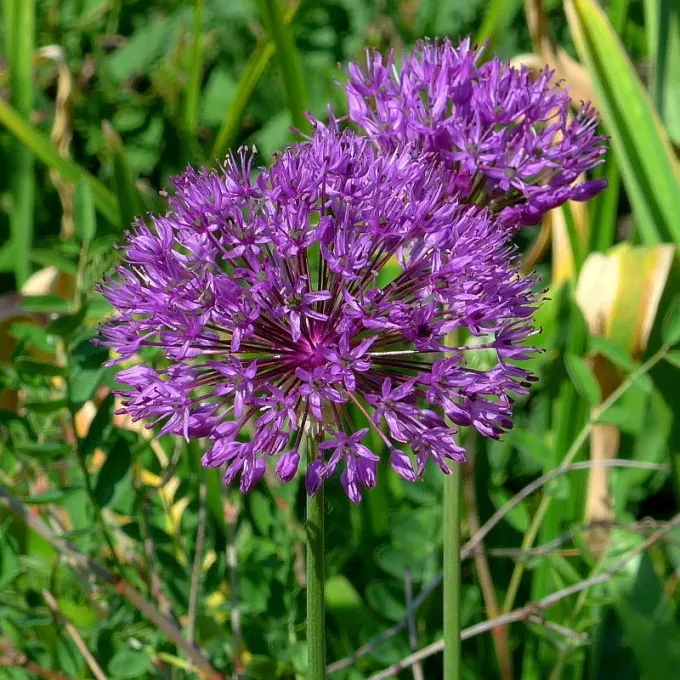
Description
Sowing dates
Allium jesdianum is a remarkable perennial member of the Amaryllidaceae family. The agricultural process of establishing this plant begins with selecting healthy bulbs and preparing the soil, ideally during the late autumn season when temperatures remain cool but above freezing.
The optimal planting time occurs between September and October. This timing ensures that the roots establish themselves firmly before the soil freezes, which is critical for the vigorous emergence of foliage during the following spring season.
While propagation through seeds is possible, it is a slow process requiring cold stratification. Therefore, the vegetative method of bulb division is considered the standard practice for propagation in both commercial and private gardening settings.
The planting depth should be approximately two to three times the diameter of the bulb. Proper placement ensures that the bulb is adequately insulated from extreme weather fluctuations while allowing the shoot to reach the surface with sufficient energy reserves.
Choosing a site with well-drained, fertile soil is paramount. Before planting, it is recommended to work organic matter into the soil to improve texture, ensuring that the roots remain healthy and free from potential waterlogging issues.
Growing requirements
Allium jesdianum thrives in full sunlight exposure. A site that receives at least six to eight hours of direct light daily is essential for promoting robust stalk development and maintaining the plant's intense aesthetic coloration.
The soil should be sandy-loam or well-amended clay with neutral to slightly alkaline pH levels. Efficient drainage is non-negotiable, as stagnant water is the primary cause of bulb decay in this species, especially during the dormant winter months.
Moisture requirements are moderate. During the spring growth phase, consistent moisture is beneficial, but the plant displays significant drought tolerance once the flowering season concludes and the plant enters its senescence stage.
Nutrient management involves applying balanced fertilizers at the start of the spring season. A phosphorus-rich blend can support improved flower development, while excessive nitrogen should be avoided to prevent weak stems and foliage-focused growth.
Temperature management is generally straightforward as the plant is hardy in temperate climates. However, in regions with harsh, snowless winters, applying a light layer of mulch can help maintain soil temperature consistency and protect the bulbs.
Main diseases and pests
The primary threats to Allium jesdianum are fungal diseases, particularly bulb rot and fusarium wilt. These pathogens often emerge as a consequence of poor drainage or high humidity, highlighting the necessity of keeping the soil environment aerated.
In terms of pests, onion flies and various species of thrips can inflict damage. Integrated pest management, including regular inspection and the use of insecticidal treatments only when necessary, remains the most effective control strategy.
Overcrowding leads to poor air circulation, which invites botrytis (gray mold) to infect the leaves. To mitigate this risk, gardeners should plant bulbs at recommended spacing intervals and promptly remove any decaying organic debris from the planting area.
Nematodes can sometimes pose a challenge in established beds. Rotating planting sites every few years and ensuring that new bulb stock is certified pest-free are standard precautionary measures taken by professional growers.
To keep the population healthy, it is essential to monitor for early signs of yellowing or stunted growth. Addressing these symptoms immediately with appropriate fungicides or by removing affected plants prevents the rapid spread of infections throughout the bed.