
Dutch garlic
Allium hollandicum R. M. Fritsch
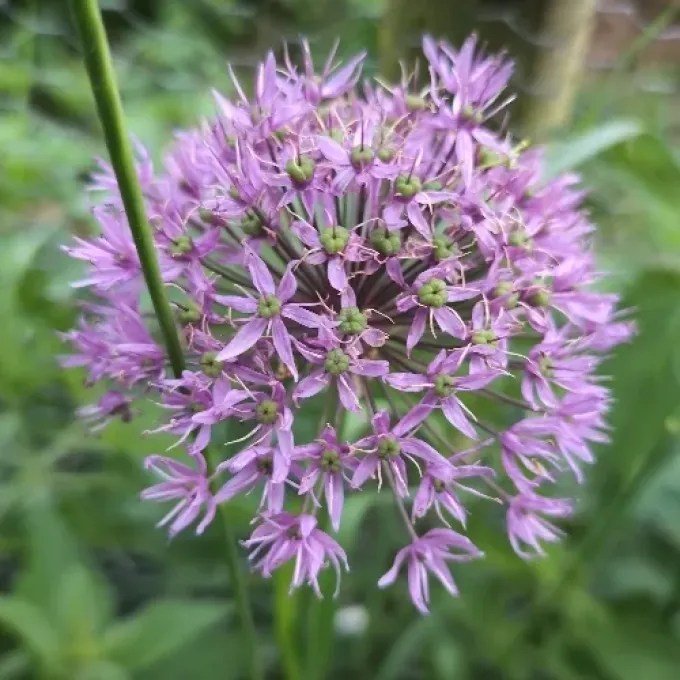
Description
Sowing dates
Dutch garlic (Allium hollandicum) is best planted during the autumn months when soil temperatures drop to 10–12°C, allowing the bulbs to establish before winter.
Planting depth should be approximately three times the diameter of the bulb, which provides necessary insulation against severe frost and ensures structural stability.
Spacing between bulbs should be at least 25–30 cm to allow for adequate air circulation and to minimize competition for nutrients during the peak growing season.
For regions with harsh winters, adding a layer of mulch or organic matter over the planting site helps maintain a consistent ground temperature during freezing cycles.
Spring planting is less common and often results in weaker growth or the absence of a flower spike, so autumn remains the standard professional practice.
Growing requirements
The plant thrives in full sun, requiring at least 6–8 hours of direct light daily to produce its characteristic dense, spherical flower heads.
Well-drained soil is a non-negotiable requirement; the bulb is highly susceptible to rot if allowed to sit in waterlogged or heavy, compacted earth.
A neutral to slightly alkaline soil pH is optimal, and the soil should be rich in organic matter to support the vigorous growth of the foliage and reproductive stems.
Regular but controlled watering is necessary during the spring growth phase, whereas the bulbs prefer a drier period during their summer dormancy.
Fertilization with a balanced slow-release fertilizer in early spring boosts the formation of healthy foliage and prepares the plant for a robust blooming period.
Main diseases and pests
Fungal infections, such as bulb rot and Fusarium wilt, represent the most serious threat, especially when soil drainage is poorly managed or humidity is high.
Pests like the onion maggot and various mite species can penetrate the bulb base, leading to systemic weakness and the eventual death of the plant.
Downy mildew may appear on the foliage under conditions of high humidity and restricted airflow, causing yellowing and stunted plant development.
Sanitation practices, including the removal of dead foliage and the treatment of bulbs with fungicide before planting, effectively mitigate many disease risks.
Regular weeding is essential not only to eliminate competition but also to reduce the microclimate humidity around the base of the plant.
Harvesting
Seed collection should take place after the flower heads have dried out completely and the seed capsules show signs of natural dehiscence.
Bulb harvest for division or storage is conducted after the foliage has naturally withered, usually signaling that the nutrients have returned to the bulb.
Once lifted from the soil, bulbs must be cleaned and dried in a shaded, well-ventilated area to ensure that all surface moisture is removed before storage.
Grading and selecting only the firm, healthy bulbs for future propagation is a critical step in maintaining the vigor of the plant stock.
Stored bulbs should be kept in a cool, dry, and dark environment to maintain dormancy until the next suitable planting season begins.