
Dumebuchum onion
Allium dumebuchum H. J. Choi
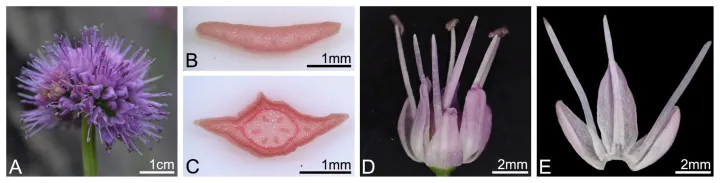
Description
Growing requirements
The Dumebuchum onion (Allium dumebuchum) is a perennial herbaceous species belonging to the Amaryllidaceae family. This specific plant is recognized as an endemic species native to the Korean Peninsula, exhibiting unique traits developed through adaptation to local mountain ecosystems.
Regarding growth requirements, Allium dumebuchum thrives in well-drained, sandy, or rocky soils. It is highly susceptible to waterlogging, which is a critical factor for its survival, necessitating a habitat where drainage is naturally facilitated by the slope or soil structure.
The climate requirements of this culture are tied to the temperate mountain conditions of its origin. It requires significant solar exposure during the vegetation period and has evolved to tolerate the temperature fluctuations inherent in a continental climate with cold, dormant winters.
Botanically, the species features a distinct underground bulb, which serves as a nutrient storage organ. The leaves are typically narrow and linear, characteristic of the Allium genus, and contain potent aromatic compounds that protect the plant from certain herbivores and pathogens.
The agricultural application of this species is currently specialized. While it is not a widely cultivated vegetable crop like Allium cepa, it remains a subject of botanical interest for its genetic value and its role in maintaining regional biodiversity within its natural habitats in Korea.